
Suase Mould specializes in advanced thermoset mold solutions, enabling industries to produce lightweight, durable, and heat-resistant parts through state-of-the-art compression tooling technologies.
What is a Thermoset Mold?
A thermoset mold is a specialized tool designed for manufacturing thermosetting polymer parts. Unlike thermoplastics that can be reheated and reshaped, thermosets undergo an irreversible chemical curing process under heat and pressure.
This results in parts with excellent dimensional stability, chemical resistance, and mechanical performance.
At Suase Mould, we design and produce thermoset molds with high precision, ensuring reliability in demanding applications.
Advantages of Thermoset Molding
- Dimensional Stability: Once cured, thermoset components maintain shape under thermal and mechanical stress.
- Electrical Insulation: Phenolic and epoxy thermosets provide superior insulation, ideal for electrical housings.
- Chemical Resistance: Resistant to oils, solvents, and corrosion, making them suitable for harsh environments.
- Lightweight Alternative: Thermoset composites reduce weight while maintaining strength, especially in automotive and aerospace sectors.
- Cost Efficiency: With compression molds, mass production of complex parts is highly economical.
Common Processes Using Thermoset Molds
Different molding processes utilize thermoset molds to achieve high-quality production:
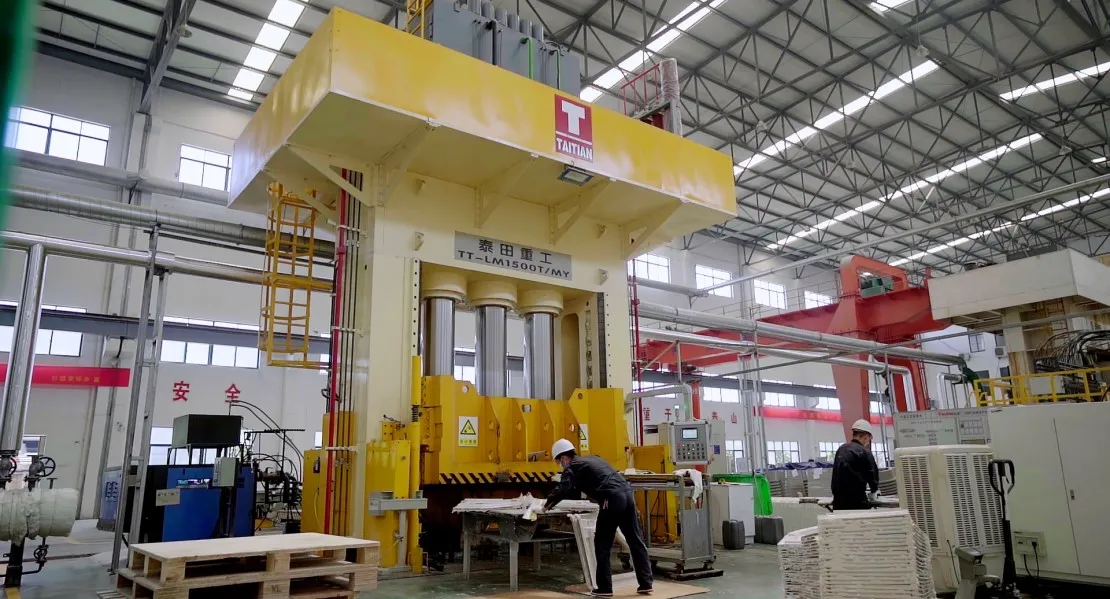
- Compression Molding – The most common method, where pre-measured material is placed in a heated compression mold and cured under pressure. Ideal for structural automotive parts and appliance housings.
- Transfer Molding – Material is preheated and then forced into the mold cavity, allowing production of parts with intricate designs and inserts such as connectors and encapsulations.
- Injection Molding for Thermosets – Suitable for high-volume production of smaller precision components like switches, sockets, and handles.
Industrial Applications of Thermoset Mold Technology
Thermoset molds support diverse industries with durable, heat-resistant, and stable parts:
- Automotive: Brake pistons, clutch components, battery covers, and lightweight structural panels.
- Electrical: Switch housings, connectors, insulating components with excellent dielectric strength.
- Aerospace: Lightweight structures and thermal-resistant parts for high-performance aircraft.
- Consumer Goods: Kitchenware, appliance handles, and high-gloss decorative parts.
Design Considerations for Thermoset Molds
High-performance thermoset molds require engineering precision:
- Tool Material: Wear-resistant tool steels with excellent thermal properties.
- Surface Finish: Polished cavities to minimize sticking and ensure smooth release.
- Venting: Proper venting channels for releasing gases during curing.
- Temperature Control: Integrated heating for uniform curing.
- Automation Compatibility: Designed for robotic handling and efficient cycle times.
Future Outlook of Thermoset Molding
With the growing demand for lightweight composites in electric vehicles, aerospace, and renewable energy, thermoset molds will remain vital for advanced manufacturing. By 2030, innovations in carbon fiber-reinforced thermosets and hybrid composite tooling will further enhance cost efficiency and sustainability.
Suase Mould’s Expertise in Thermoset Molds
At Suase Mould, we provide complete tooling solutions for thermoset composites, including:
- SMC molds for sheet molding compounds
- BMC molds for bulk molding compounds
- Compression molds and hot press molds
- FRP and carbon fiber tooling for advanced composite manufacturing
By integrating precision engineering with modern automation, Suase ensures reliable, efficient, and scalable thermoset mold solutions for global customers.
Conclusion
A thermoset mold is not just a tool but a gateway to high-performance, durable, and lightweight composite manufacturing. With the expertise of Suase Mould, industries worldwide can achieve efficient production of thermoset components for automotive, aerospace, electrical, and consumer applications, supporting the future of sustainable manufacturing.