
SMC Tooling — the molds, presses and process systems used to shape Sheet Molding Compound (SMC) — are the backbone of efficient compression molding production. This article provides an in-depth, technical and SEO-friendly overview of SMC tooling: what it is, how it works, important design considerations, industry applications, and best practices for achieving consistent Class-A surfaces and robust structural parts.
1. What is SMC and Why Tooling Matters
Sheet Molding Compound (SMC) is a pre-impregnated composite sheet made of a thermoset resin matrix (commonly polyester), chopped or continuous glass fiber reinforcement, fillers, and functional additives. SMC is widely used because it combines high specific strength, excellent corrosion resistance, and the possibility of achieving high-quality visible finishes.
SMC Tooling determines the final part quality: surface gloss, dimensional accuracy, fiber distribution, and internal porosity are all influenced by mold design, temperature control, venting, and tooling materials. A well-designed SMC mold reduces cycle time, scrap rate, and secondary processing.
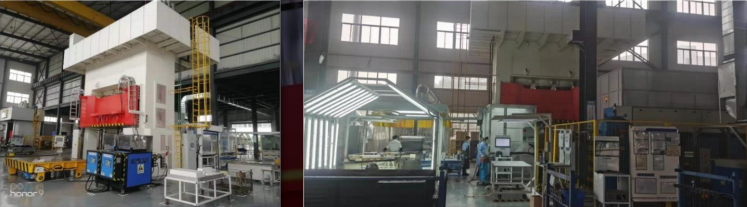
2. Core Components of SMC Tooling
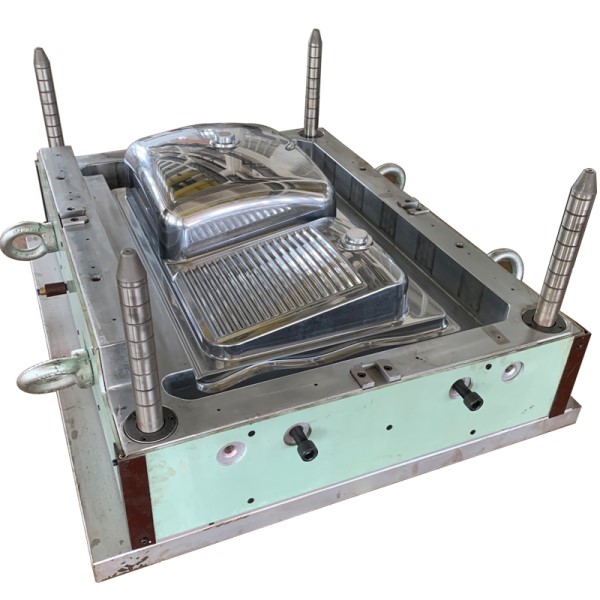
- Mold Halves (Cavity & Core) — machined steel plates precision-ground to the target geometry; often made of P20, 718H, or H13 depending on volume and thermal load.
- Heating & Temperature Control — oil-heated or electric platen systems with embedded channels for uniform thermal distribution and rapid thermal response.
- Venting and Vacuum — vacuum channels and micro-vents to evacuate air and volatile gases, minimizing porosity and improving surface appearance.
- Ejection & Demold Systems — custom ejector pins, stripper plates, air blasts or cam systems designed to protect Class-A surfaces.
- Insert & Overmolding Fixtures — locating features for metal inserts, clips or molded-in fasteners to combine function with the composite skin in a single cycle.
3. How SMC Compression Molding Works (Tooling Perspective)
- Charge Preparation: Pre-cut SMC sheets or cut charges are sized and positioned on the mold surface (manually or via automation).
- Closing & Compression: Upper platen closes, applying 50–150 bar (typical range) to drive SMC flow and fiber redistribution.
- Heat & Cure: The mold maintains a set temperature (commonly 130–160°C depending on resin system) to cure the thermoset matrix.
- Venting / Vacuum: Air and volatiles escape through designed vents or are removed by vacuum channels to minimize voids.
- Demolding: After cure, part is ejected. Correct ejection design avoids surface defects and maintains dimensional tolerances.
4. Critical Tooling Design Considerations
Successful SMC tooling balances mechanical, thermal and process design. Key areas to optimize:
Material & Heat Management
Choose tool steels based on cycle volumes and thermal conductivity. For high-volume tooling, pre-hardened steels with plated surfaces (chrome/nickel) extend life and provide superior finish. Effective channel layout and heater sizing are essential to avoid cold spots and cure mismatch.
Surface Finish & Coatings
Polished cavities yield Class-A surfaces. Hard chrome plating, nickel coatings, or PVD finishes increase wear resistance and reduce sticking. Surface roughness targets and polish sequences should be specified early in design.
Venting & Vacuum Strategy
Micro-venting (controlled gaps, cross-drilled vent holes) combined with vacuum plenum design prevents gas entrapment while maintaining resin flow. Tooling that integrates vacuum with the parting line reduces porosity and cosmetic defects.
Thermal Cycle & Cooling
Although SMC is cured with heat, rapid and uniform heating—and controlled cooling—reduces cycle time and residual stresses. Advanced tooling uses segmented heating zones and temperature feedback loops for precise thermal control.
5. Typical Applications & Industry Cases
SMC tooling serves multiple sectors where composite strength, corrosion resistance and surface finish are required:
- Automotive: hoods, trunk lids, bumpers, battery enclosures, and interior panels where weight reduction and Class-A finishes matter.
- Electrical & Energy: transformer housings, switchgear covers and insulating enclosures benefiting from SMC's dielectric properties.
- Water & Sanitary: SMC water tanks, shower panels and sanitary ware that require hygienic, corrosion-free surfaces.
- Transport & Infrastructure: bus/train body panels, utility covers, and exterior trim that prioritize durability and long life.
6. Performance Metrics: What Good SMC Tooling Delivers
| Metric | Target Outcome |
|---|---|
| Dimensional Tolerance | ±0.05 mm (dependent on part geometry and post-processing) |
| Surface Quality | Class-A gloss achievable with polished cavities and proper venting |
| Void Content | <0.5% with vacuum-assisted tooling |
| Cycle Time | 1–5 minutes typical (optimized thermal control and flow design) |
| Tool Life | 100k–500k cycles depending on material, coating and maintenance |
7. Common Tooling Challenges & Solutions
Warpage and Shrinkage
Cause: uneven heating or unbalanced fiber orientation. Solution: thermal zoning, symmetric ply distribution, and dimensional compensation in tooling.
Surface Blemishes
Cause: trapped air, poor venting, or contamination. Solution: micro-venting, vacuum assistance and strict clean-room handling of SMC charges.
Tool Wear & Sticking
Cause: abrasive fillers, inadequate surface treatment. Solution: protective coatings, hardening, and scheduled maintenance with surface re-polish intervals.
8. Maintenance, Repair & Lifecycle Management
Preventive maintenance is essential. Recommended practices include scheduled inspection of vents and vacuum channels, surface roughness checks, re-polish cycles when gloss falls below spec, and pressure-testing of heating/cooling channels to prevent failures in production.
9. Sustainability & Process Efficiency
Modern SMC tooling contributes to sustainability by enabling lightweighting (reducing vehicle fuel consumption), minimizing scrap through high first-pass yield, and enabling recyclable thermoset chemistries in combination with downstream reclamation processes. Efficient tooling reduces energy per part via shorter cycles and optimized thermal control.
10. Why Choose SUASE for SMC Tooling?
At SUASE Mould, our SMC tooling capability integrates design, simulation, precision machining and process validation:
- End-to-end tooling design with flow and thermal simulation to predict resin fill and cure.
- Precision machining and surface finishing optimized for Class-A cosmetic panels.
- Integrated vacuum & venting systems to minimize voids and ensure repeatability.
- Turnkey support: prototype trials, process parameters tuning, and production ramp-up assistance.
Case highlight: SUASE supplied modular SMC water tank molds and optimized vacuum tooling for a municipal water project, reducing void rate by 72% and cycle time by 28% compared to previous tooling.
11. FAQs
Q: How long does an SMC mold typically last?
A: With proper maintenance and coatings, high-quality SMC molds can last from 100,000 to 500,000 cycles depending on the resin, fillers, and operating conditions.
Q: Is SMC suitable for potable water tanks?
A: Yes — SMC formulations and post-mold gelcoat/liners can meet potable water standards. Design and tooling must ensure no porosity and appropriate surface finish to maintain hygiene.
Q: Can SMC tooling support embedded metal inserts?
A: Absolutely. Tooling is commonly designed with insert pockets and overmolding features so threaded bushings and metal fittings are molded in-place, reducing secondary operations.
12. Conclusion
SMC Tooling is not simply a mold — it is a system that unites mechanical design, thermal engineering, vacuum/venting strategies and surface science to produce durable, high-quality composite parts at scale. Whether your project targets automotive Class-A panels, electrical enclosures, or modular water tanks, investing in advanced SMC tooling pays dividends in part quality, production efficiency and long-term cost of ownership.
If you'd like a tailored consult or tooling quote for your next SMC project, Contact SUASE.