
SMC Tool — short for Sheet Moulding Compound Tool — is a specialized mold system designed for the high-precision manufacturing of composite components under compression moulding conditions. These tools are the cornerstone of SMC production, determining not only the final geometry but also the surface finish, fiber distribution, and overall structural integrity of each part. In industries such as automotive, electrical, water treatment, and construction, the efficiency and accuracy of SMC tooling directly define production quality and competitiveness.
Understanding SMC Material and Its Moulding Process
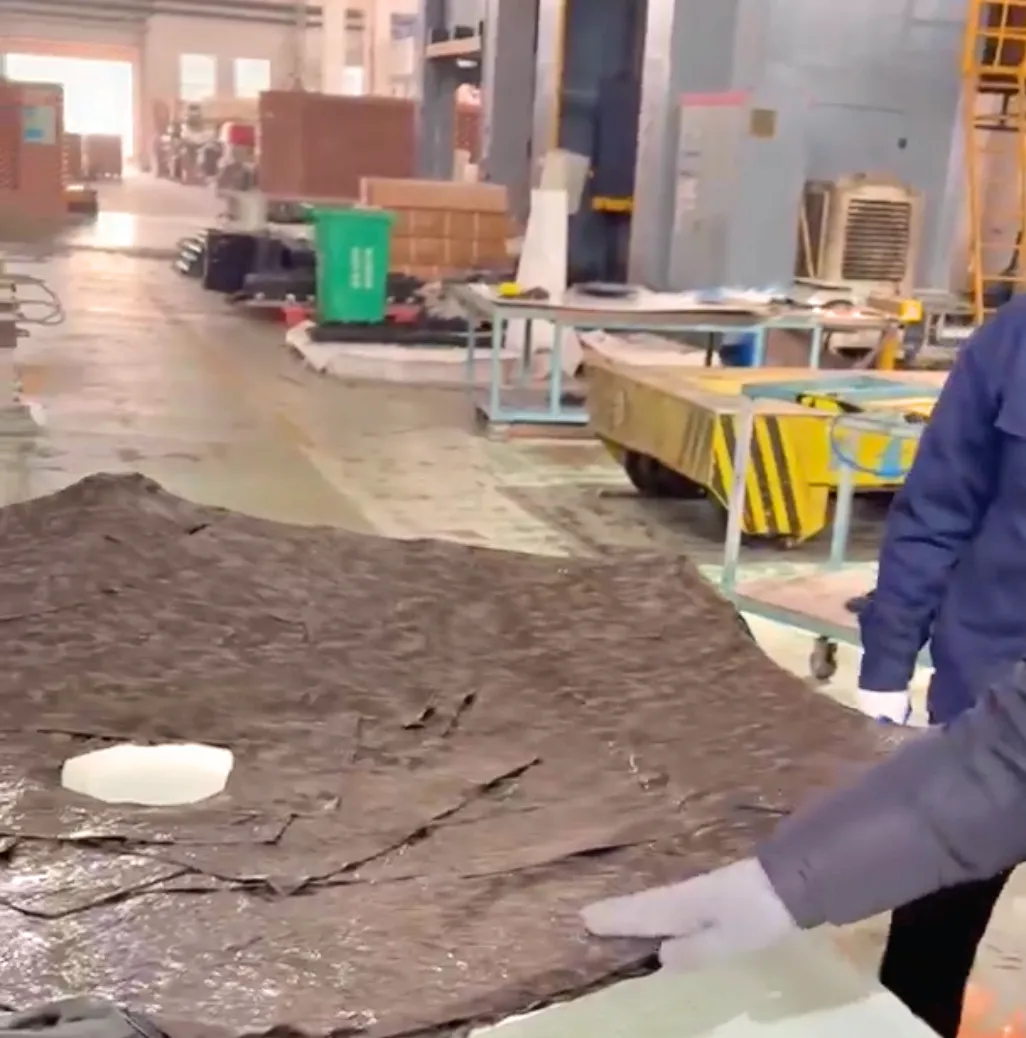
SMC (Sheet Moulding Compound) is a ready-to-mould composite made of unsaturated polyester or vinyl ester resin reinforced with chopped glass fiber, fillers, pigments, and additives. It combines light weight with high strength, corrosion resistance, and excellent dimensional stability. When moulded under heat and pressure, it can form complex, rigid, and high-performance parts in a short cycle time.
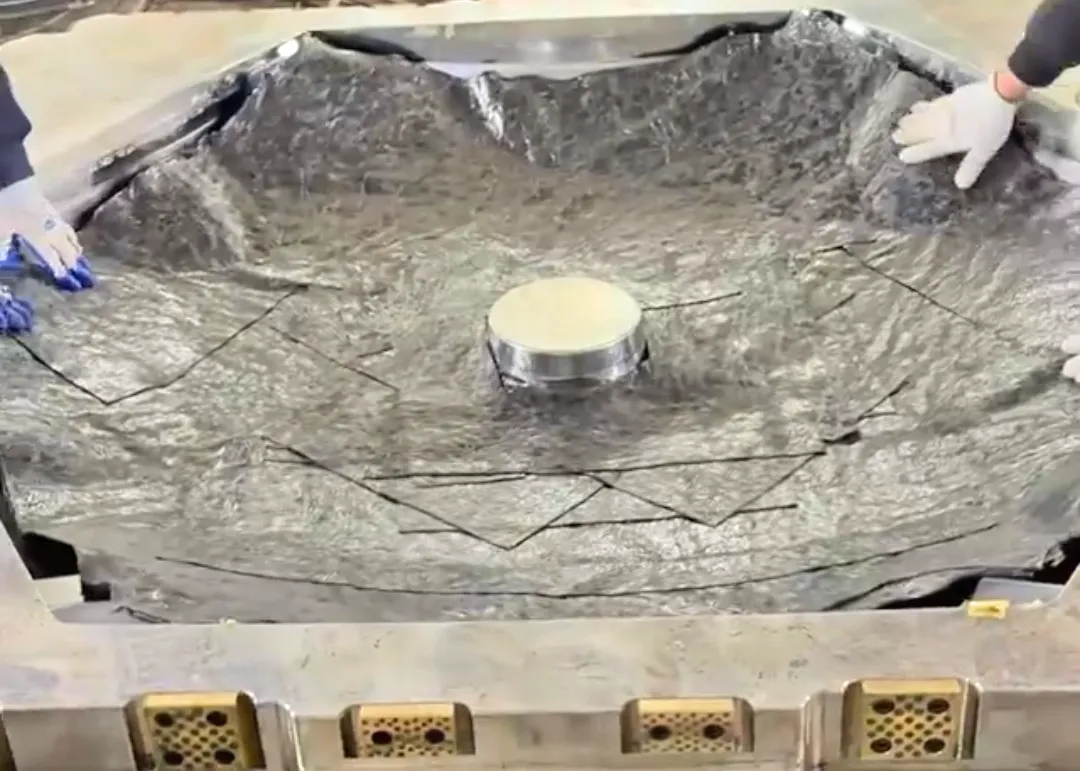
An SMC Tool operates within a compression moulding press, where pre-cut SMC charges are placed between heated mold cavities. Under pressures ranging from 50–150 bar and temperatures of 130–160°C, the resin flows and cures, forming the desired geometry with precise tolerance and surface quality.
Structure and Components of an SMC Tool
A professional-grade SMC tool is more than just a cavity and core — it is a complete engineering system. Each component is designed to ensure reliable curing, uniform pressure, and consistent material flow:
- Mold Base and Plates: Typically made from P20, 718H, or H13 tool steel for long life and dimensional stability under heat.
- Heating and Cooling Channels: Embedded systems (oil or electric) for maintaining precise temperature across the entire mold surface.
- Venting and Vacuum Lines: Designed to remove trapped air and volatiles, ensuring minimal porosity and optimal surface quality.
- Ejection Mechanisms: Air ejection, pins, or hydraulic systems that protect Class-A surfaces during part removal.
- Insert Fixtures: For integrating metal inserts or threaded bushings into composite parts during moulding.
Key Factors in SMC Tool Design
Successful SMC tool design depends on balancing material flow, heat management, and mechanical strength. Engineering teams must consider the following parameters:
- Flow Simulation: CAE and rheological analysis to predict SMC charge behavior, preventing short shots or fiber misalignment.
- Temperature Control: Multi-zone heating with precision sensors to ensure uniform curing and avoid thermal gradients.
- Surface Finish: Highly polished or coated surfaces (chrome, nickel, PVD) are used to achieve Class-A aesthetic quality.
- Vent Optimization: Micro-vent grooves and vacuum systems reduce void content and improve resin wet-out.
- Tool Rigidity: Proper ribbing and thickness design to resist deflection under high compression pressure.
Manufacturing and Maintenance of SMC Tools
Building an SMC tool requires a combination of precision machining, heat treatment, and surface engineering. CNC milling, EDM, and grinding processes define cavity geometry, while polishing and coating ensure long-term surface integrity. After production, preventive maintenance is critical to maintain consistency and extend tool life.
- Regular inspection of vent channels and heater lines.
- Re-polishing cycles after a set number of production runs.
- Thermal calibration to maintain even temperature distribution.
- Coating renewal to restore surface hardness and anti-stick performance.
A high-quality SMC tool can typically achieve a life cycle between 100,000 and 500,000 production cycles depending on process conditions and material abrasiveness.
Industrial Applications of SMC Tools
The versatility of SMC tools makes them essential across numerous industries where performance, weight reduction, and aesthetics are critical:
- Automotive: Hoods, trunk lids, bumpers, battery enclosures, and EV structural panels.
- Electrical: Transformer covers, switchgear housings, and insulating components.
- Water Treatment: SMC water tanks and sanitary ware components.
- Construction: Architectural panels, facades, and FRP building claddings.
Advantages of Advanced SMC Tooling
Modern SMC tools, equipped with advanced temperature control and vacuum systems, deliver substantial benefits in both product quality and process efficiency:
- ⚙️ Reduced cycle time through optimized heat transfer and rapid curing systems.
- 💎 Superior surface appearance meeting automotive Class-A standards.
- 🌱 Lower material waste due to accurate charge placement and flow control.
- 🔩 Improved dimensional accuracy and repeatability for mass production.
- 🔥 Enhanced durability for extended tool life and lower maintenance costs.
Future Trends in SMC Tool Development
The next generation of SMC tooling focuses on intelligence, sustainability, and digital integration. Future directions include:
- Smart Mold Systems: Embedded sensors for real-time monitoring of temperature, pressure, and curing status.
- AI-Driven Process Control: Machine learning algorithms to predict optimal molding conditions and reduce trial time.
- Eco-Efficient Heating: Induction and zone-controlled heating to minimize energy consumption.
- Modular Design: Replaceable inserts for multiple product variations, enhancing tool adaptability.
Why Choose SUASE for SMC Tooling
As a leading composite mold manufacturer, SUASE Mould combines material science expertise with precision tooling craftsmanship. Our SMC tools are designed through full 3D modeling, flow analysis, and simulation, ensuring optimal fiber orientation and temperature balance. From prototype validation to high-volume production, SUASE delivers reliable molds with stable pressure, uniform heating, and repeatable performance.
Our technical services include:
- End-to-end mold design and simulation with digital validation.
- Precision machining and mirror-surface finishing for high-quality panels.
- Integrated vacuum and temperature control systems.
- Comprehensive testing, maintenance, and global technical support.
Conclusion
An SMC Tool is more than just a mold — it is an engineered system that unites mechanical precision, thermal control, and composite science. As industries continue to move toward lightweight, corrosion-resistant, and high-performance materials, advanced SMC tooling stands as the foundation of modern composite manufacturing. With innovation and reliability at its core, SUASE Mould continues to lead the evolution of SMC tooling — turning complex composite ideas into mass-producible, world-class products.