
As automotive manufacturers continue to pursue lightweight structures, aerodynamic efficiency, and scalable production, SMC spoiler mould technology has become an essential solution for modern vehicle exterior components.
SMC Spoiler Moulds Supporting Lightweight Automotive Design
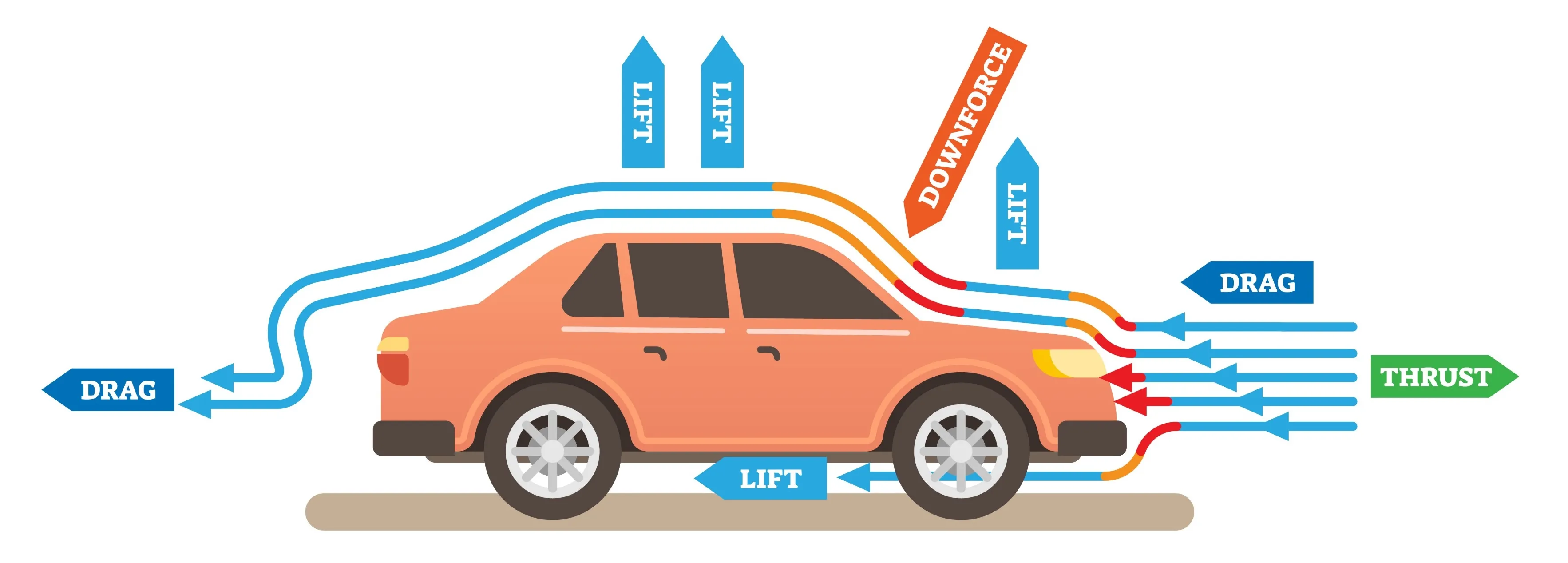
Automotive spoilers are no longer purely styling elements. In electric vehicles, passenger cars, and performance models, spoilers directly influence airflow management, vehicle stability, and energy efficiency. SMC spoiler moulds enable the production of structurally rigid yet lightweight composite spoilers through a controlled compression moulding process.
Compared with traditional metal stamping or plastic injection moulding, Sheet Molding Compound (SMC) offers superior design freedom, integrated reinforcement capability, and excellent surface quality—making it ideal for complex aerodynamic parts.
Technical Characteristics of an Automotive SMC Spoiler Mould
A high-performance SMC spoiler mould is engineered to meet demanding automotive standards in dimensional accuracy, thermal stability, and production repeatability. Key technical features include:
- Precision-machined upper and lower mould halves
- Optimized cavity geometry for aerodynamic consistency
- Integrated heating channels for uniform curing
- Advanced venting and vacuum systems to eliminate air entrapment
- Durable mould materials designed for long production cycles
These features ensure stable molding conditions and consistent part quality across high-volume automotive production programs.
Advantages of SMC Compression Moulding for Spoiler Production
The SMC compression moulding process offers multiple advantages when applied to automotive spoiler manufacturing:
- Lightweight construction with high stiffness and impact resistance
- Complex geometry capability, including ribs, undercuts, and integrated mounting features
- Class A surface finish suitable for direct painting or color-in-mold processes
- Short cycle times supporting automated mass production
- Excellent dimensional repeatability for OEM quality requirements
These benefits make SMC spoiler moulds an increasingly preferred solution for modern automotive composite components.
Engineering and Manufacturing of SMC Spoiler Moulds
The development of an automotive-grade SMC mould begins with detailed CAE analysis and mould-flow simulation to optimize material charge placement, fiber distribution, and curing behavior.
Precision CNC machining ensures tight tolerances and smooth cavity surfaces, while advanced polishing and surface treatment improve demoulding reliability and long-term mould durability.
Trial moulding and process validation are conducted to confirm dimensional stability, surface quality, and cycle time consistency before mass production.
Applications of Automotive SMC Spoiler Moulds
SMC spoiler moulds are widely applied in:
- Passenger vehicles
- Electric vehicles (EVs)
- SUVs and crossover platforms
- Performance and sports cars
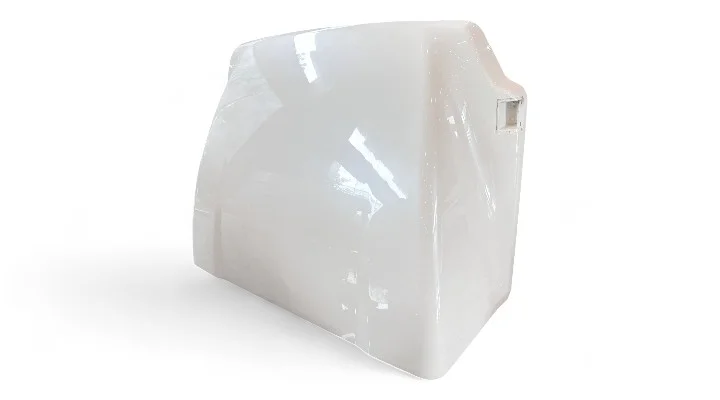
In many designs, SMC spoilers are integrated with tailgates or rear structural components, further reducing part count and assembly complexity.
Future Development Trends in SMC Spoiler Mould Technology
As automotive platforms evolve, SMC spoiler mould development is moving toward lighter tooling structures, improved thermal efficiency, and digitalized mould monitoring systems.
These innovations support higher production efficiency, longer mould service life, and improved process control—ensuring that SMC compression moulding remains a core technology in automotive composite manufacturing.
About Suase Mould
Suase Mould specializes in high-precision SMC moulds, compression moulds, and automotive composite tooling. With extensive experience in complex composite mould engineering, Suase Mould delivers reliable tooling solutions that support high-quality, high-volume composite part production.