
SMC Mold Trial: Can the Next Part Match the First?
A clean-looking sample is an encouraging moment in an SMC mold trial. The harder question comes next: can the tool produce another acceptable part under the same recorded conditions—and can the customer's plant reproduce those conditions?
For a tooling buyer, that distinction affects more than the sample approval. A trial that depends on undocumented adjustments leaves production engineers with a part to copy but no reliable starting point.
SUASE combines compression mould engineering with in-house mould trial and process validation. For a new SMC tooling project, these capabilities provide a basis for investigating repeatability before shipment. The useful discussion starts with the part features that must remain consistent, rather than the appearance of one selected sample.
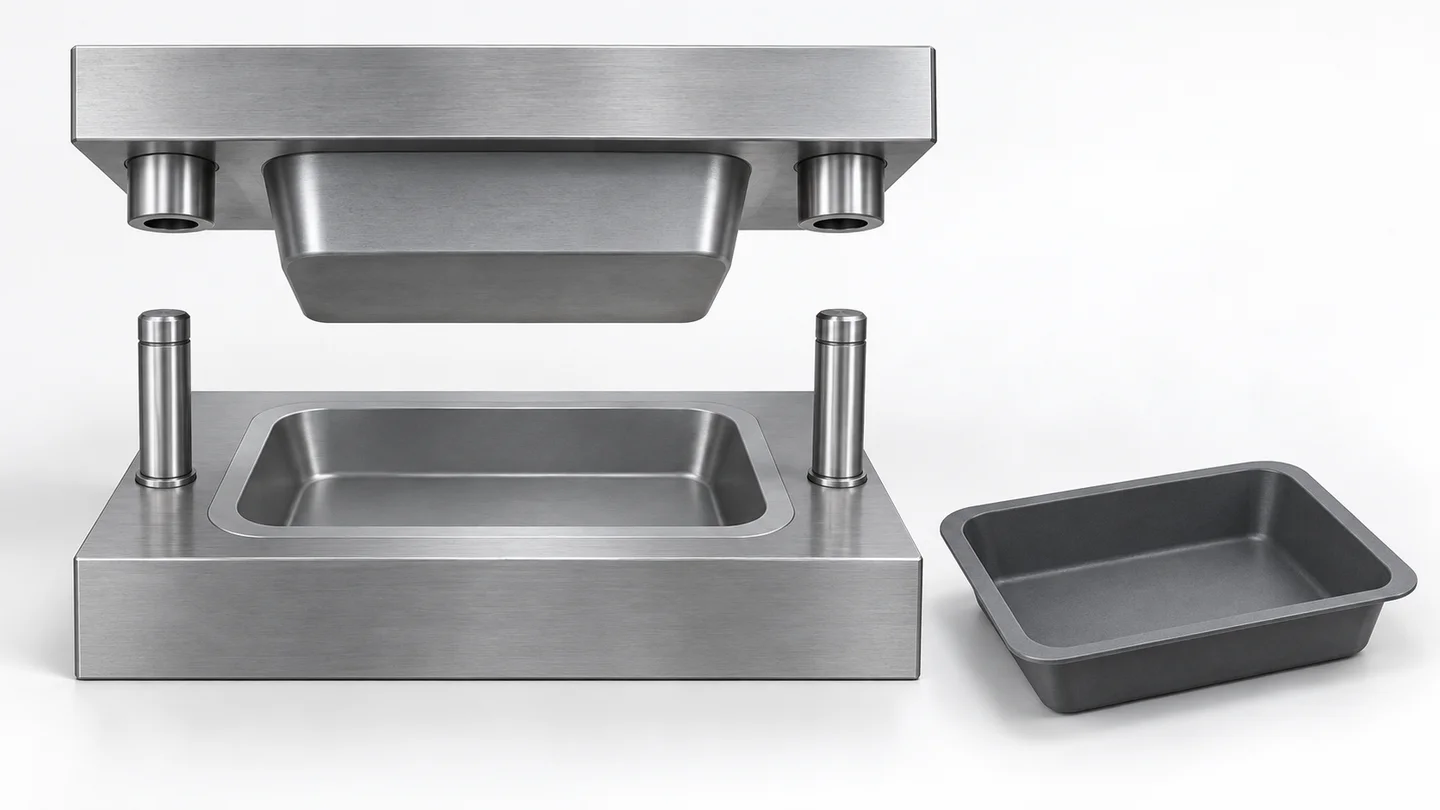
Turn an intermittent defect into a question the trial can answer
Consider a panel that releases cleanly in one cycle but shows a local crack in another. More release agent may appear to help, yet that observation alone does not identify the cause. Cure condition, local sticking and the ejection arrangement are all possible contributors to release damage; the location and timing of the defect matter.
For this type of problem, SUASE's tooling and trial scope allows the investigation to connect a marked part location with the corresponding mould feature. A useful starting record would show where the damage appears, when it first becomes visible and what changed between the two cycles. This helps separate a tooling question from a process or handling question before modifying the mould.
The buyer benefits when the conclusion is specific: which condition was examined, which change was made and whether the same area improved on subsequent parts. “The sample looks better” leaves too much room for interpretation.
Give each sample a traceable set of conditions
For a trial with SUASE, agree a practical record around the selected material, charge arrangement, press sequence, thermal conditions and demoulding steps. Each retained sample should point back to its actual run conditions. If a setting was unavailable or estimated, identify that gap rather than filling it with a nominal value.
A simple example shows why this matters. If the charge layout, cure time and ejection sequence are changed together, an improved sample cannot show which change helped. Where the process permits, compare controlled changes against a retained starting condition. Keep rejected parts in the comparison as well: they explain the boundary the team is trying to understand.
This is an investigation method, not a universal SMC recipe. Material-specific settings and safe trial limits need agreement with the material supplier and the responsible process team.
Agree what repeatability means for your component
Before the trial, identify a small set of acceptance features that reflect the customer's application. These might include a critical mounting feature, an edge susceptible to damage and an appearance area. Use the same inspection method and agreed sample condition throughout the comparison.
SUASE's role as the mould engineering partner is to connect those observations to the tool and trial plan. A local problem may justify a targeted tool review; variation across several features may require a broader investigation. Agree the run length and acceptance limits for the project—there is no defensible universal sample count that proves every SMC process is stable.
Prepare the transfer to the production press
A supplier trial and a customer production line are two different installations. Compare the available press functions, tool connections, temperature-control equipment and handling sequence before accepting the trial conditions as transferable. A list of actual differences is more useful than assuming identical settings will give identical parts.
Bring SUASE the component drawing and the intended press information at the start of the tooling discussion. Together, these define what the trial needs to demonstrate and what must still be confirmed at the receiving plant.
Discuss your SMC mould project with SUASE to develop a trial scope around the features that matter to your production team.