
As global industries rapidly expand in renewable energy, electric vehicles (EVs), and smart grid infrastructure, the demand for high-performance composite components continues to grow. At the core of these applications lies precision mold manufacturing, particularly for battery systems and electrical enclosures.
Products such as battery tray molds, battery cover molds, cable bracket molds, and SMC electrical enclosure molds play a critical role in ensuring safety, durability, and efficiency in modern electrical and energy systems.
This article provides an in-depth analysis of SMC mold solutions for electrical applications, covering design requirements, manufacturing technologies, and key industry trends.
1. Battery System Molds: Structural Foundation of EV Technology
In electric vehicles and energy storage systems, battery enclosure components must meet strict requirements for mechanical strength, thermal stability, and electrical insulation.
Battery Tray Mold (Battery Box Tray Mold)
The battery tray mold is used to produce the lower structural base of battery packs. These trays must support heavy loads, resist impact, and maintain dimensional stability under thermal stress.
- High structural strength
- Flame retardant performance
- Corrosion resistance
- Lightweight design
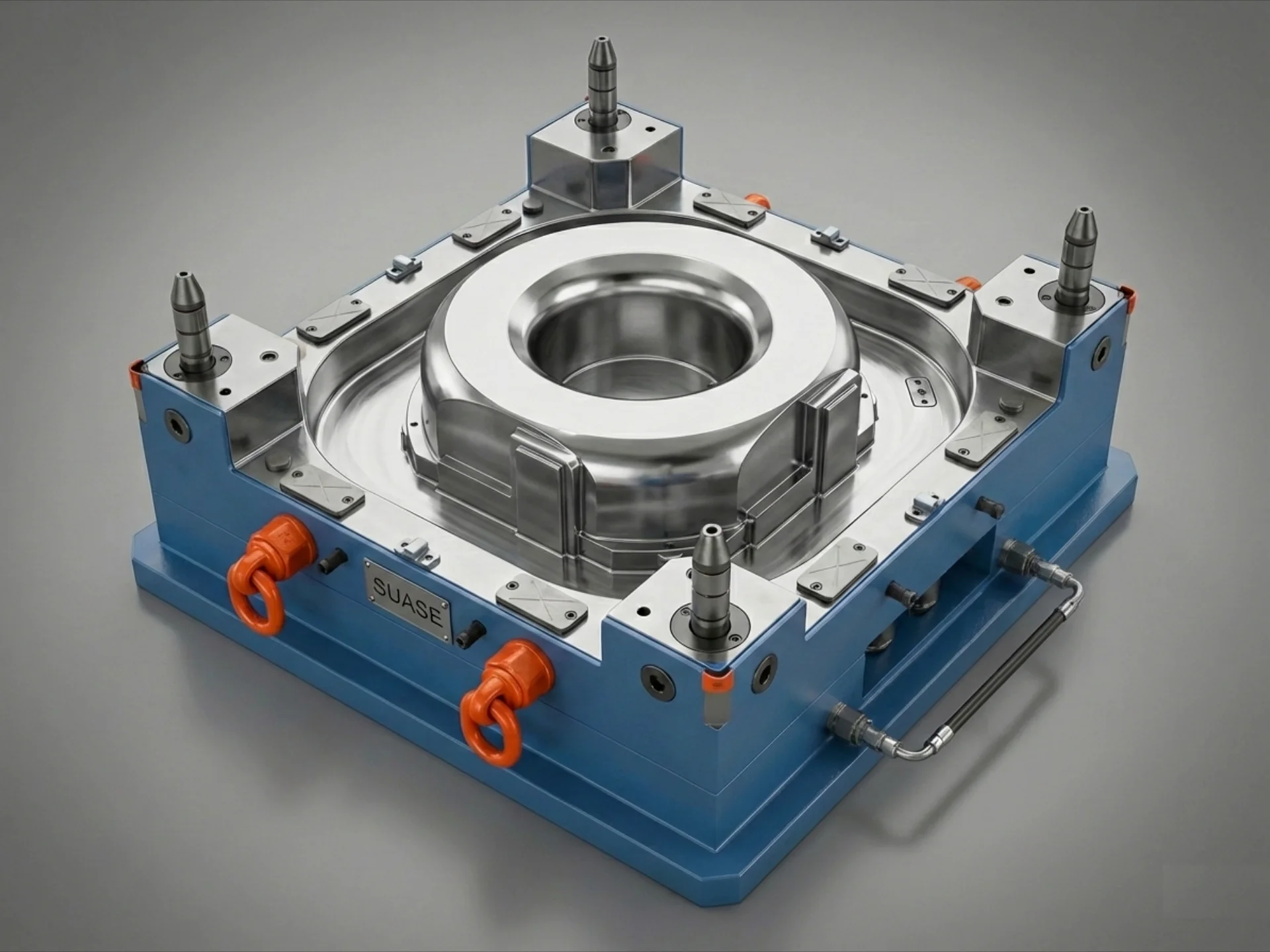
Battery Cover Mold (Battery Box Upper Cover Mold)
The battery cover mold is responsible for producing the upper enclosure, providing protection against environmental factors such as moisture, dust, and mechanical damage.
Together, battery tray and cover molds form a complete battery enclosure system, ensuring safety and reliability in EV applications.
2. Cable Bracket Molds: Supporting Electrical Infrastructure
Cable bracket molds are essential for manufacturing support structures used in electrical systems, infrastructure, and industrial installations.
These components must provide:
- High load-bearing capacity
- Long-term durability in outdoor environments
- Resistance to corrosion and UV exposure
- Electrical insulation properties
SMC cable bracket molds are particularly suitable due to their excellent performance in harsh environments.
3. SMC Electrical Enclosure Molds
SMC (Sheet Molding Compound) materials are widely used in electrical enclosure manufacturing due to their insulation properties, strength, and weather resistance.
SMC Meter Box Mold
The SMC meter box mold is used to produce electrical meter enclosures that protect sensitive equipment from environmental damage and tampering.
SMC Distribution Box Mold
SMC distribution box molds are designed for manufacturing enclosures used in power distribution systems, ensuring safety and reliable operation.
SMC Electrical Enclosure Mold
General SMC electrical enclosure molds are used across various industries, including telecommunications, power systems, and industrial control systems.
- Excellent electrical insulation
- High mechanical strength
- Fire resistance
- Weather and chemical resistance
4. Advantages of SMC Mold Technology
Compared to traditional materials such as metal and thermoplastics, SMC molds and compression molding technology offer several advantages:
- High production efficiency
- Consistent product quality
- Complex shape capability
- Reduced assembly requirements
- Lower long-term production cost
These benefits make SMC molds ideal for high-volume electrical and energy applications.
5. Key Mold Design and Manufacturing Requirements
To meet the demanding requirements of electrical and battery applications, mold manufacturers must focus on:
- High-precision CNC machining
- Optimized mold flow and pressure distribution
- Thermal control for uniform curing
- Durable mold materials and coatings
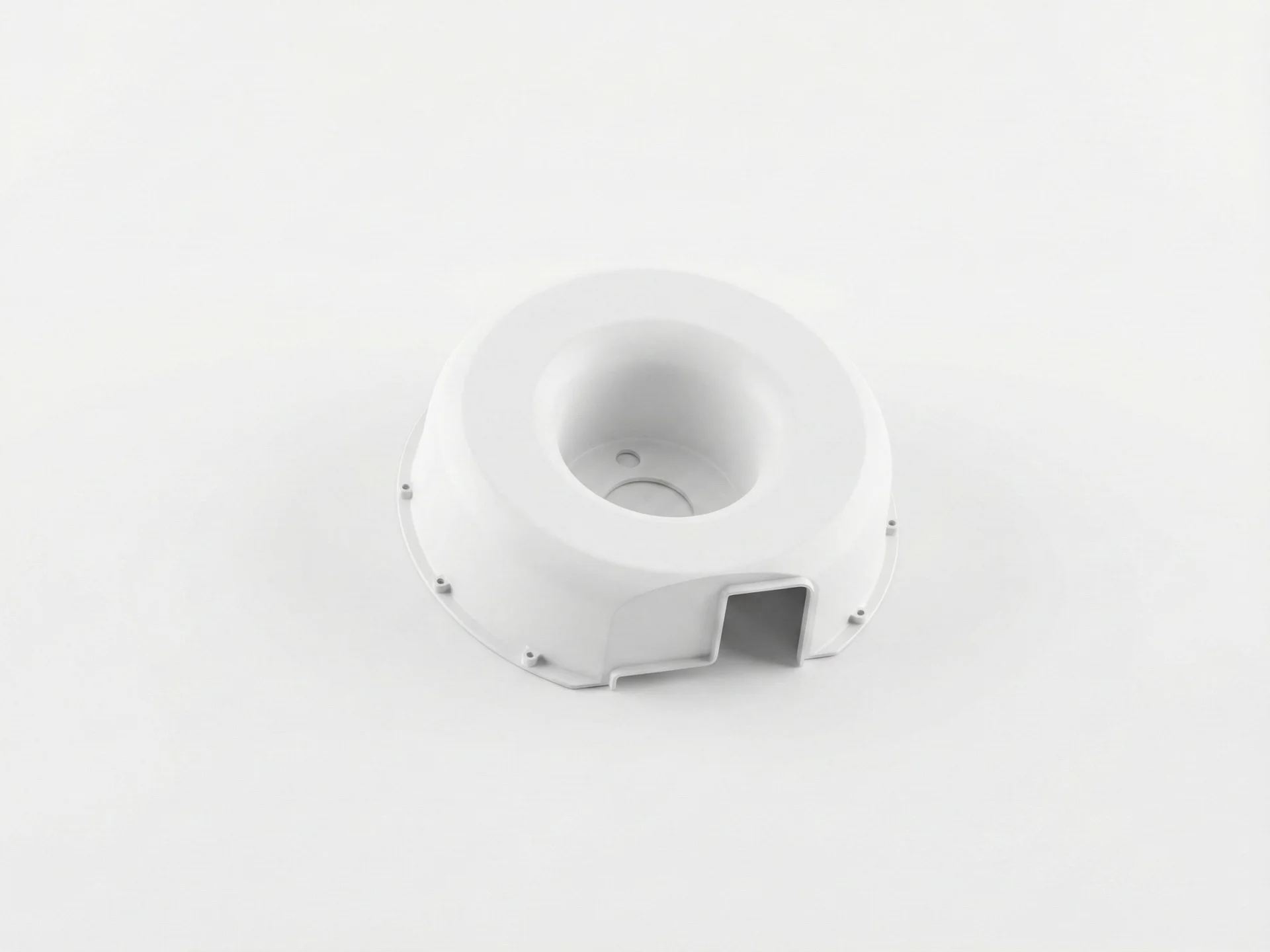
Advanced simulation technologies are also used to optimize mold design and improve product performance.
6. Industry Trends and Future Outlook
The future of battery system molds and SMC electrical molds is driven by several key trends:
- Rapid growth of electric vehicles (EVs)
- Expansion of renewable energy infrastructure
- Smart grid and power distribution upgrades
- Increased demand for lightweight composite materials
As these industries evolve, the demand for high-performance composite molds will continue to increase.
Conclusion
From battery tray molds to SMC electrical enclosure molds, advanced composite tooling plays a vital role in modern energy and electrical systems.
Manufacturers that invest in high-precision mold design and advanced SMC compression molding technology will be well-positioned to meet the growing demands of global markets.
As a professional mold manufacturer, SUASE MOULD continues to deliver reliable, high-performance mold solutions for battery systems, electrical enclosures, and industrial applications worldwide.
FAQ
What is a battery tray mold?
A battery tray mold is used to manufacture the lower structural component of battery enclosures, especially in EV systems.
Why use SMC for electrical enclosures?
SMC provides excellent insulation, strength, and environmental resistance, making it ideal for electrical applications.
What are cable bracket molds used for?
They are used to produce support structures for cables in electrical and infrastructure systems.