In modern manufacturing, product quality is determined long before production begins. Behind every well-designed automotive component, household appliance housing, consumer product, and logistics container lies a carefully engineered high-precision injection mold. As industries continue to pursue tighter tolerances, higher production efficiency, and greater product consistency, precision mold manufacturing has become a critical factor in achieving long-term competitiveness.
While injection molding machines and material selection play important roles in production, the mold itself remains the foundation of part quality. A high-quality plastic injection mold not only influences dimensional accuracy but also affects cycle time, production stability, maintenance costs, and overall manufacturing profitability.
For manufacturers operating in automotive, home appliance, household product, and logistics industries, investing in precision tooling is no longer optional—it is essential for meeting increasingly demanding market expectations.
Micron-Level Tolerance Control: The Foundation of Product Consistency
Precision begins with the mold. Even the most advanced injection molding equipment cannot compensate for inaccuracies in tooling. High-precision injection molds are engineered to maintain extremely tight dimensional tolerances, ensuring consistent part quality throughout long production runs.
At SUASE, advanced CNC machining centers, EDM technology, wire cutting systems, and precision inspection equipment are utilized throughout the mold manufacturing process. Critical mold components are carefully machined and verified to achieve micron-level accuracy, helping ensure dimensional consistency from cavity to cavity and cycle to cycle.
This level of precision directly impacts product performance. In automotive applications, accurate tooling helps ensure seamless clip engagement, reliable assembly, and precise fitment of interior and exterior components. For household appliances, tight tolerances contribute to improved sealing performance, allowing products to achieve better dustproof and waterproof characteristics while maintaining an attractive appearance.
Precision tooling also minimizes dimensional variation, reduces assembly issues, and helps manufacturers maintain stable product quality throughout the entire production lifecycle.
High-Speed Production Cycles Through Intelligent Mold Engineering
In high-volume manufacturing environments, production efficiency is a key driver of profitability. Even small reductions in molding cycle time can generate significant cost savings over the lifespan of a project.
Modern injection mold design focuses not only on producing accurate parts but also on maximizing manufacturing efficiency. Factors such as gate design, runner balance, cooling channel layout, venting performance, and material flow behavior all influence cycle times and production stability.
By incorporating technologies such as hot runner systems, optimized cooling circuits, and precision venting solutions, manufacturers can improve mold filling performance while reducing cooling time and minimizing defects.
These advantages are particularly valuable for logistics products such as pallets, crates, turnover boxes, and storage containers, where annual production volumes may reach hundreds of thousands of units. Household consumer products also benefit from shorter molding cycles, enabling manufacturers to increase productivity while lowering per-part manufacturing costs.
Efficient mold engineering not only improves output capacity but also enhances energy utilization, helping manufacturers achieve greater operational efficiency and sustainability.
Long Tool Life and Reduced Lifetime Manufacturing Costs
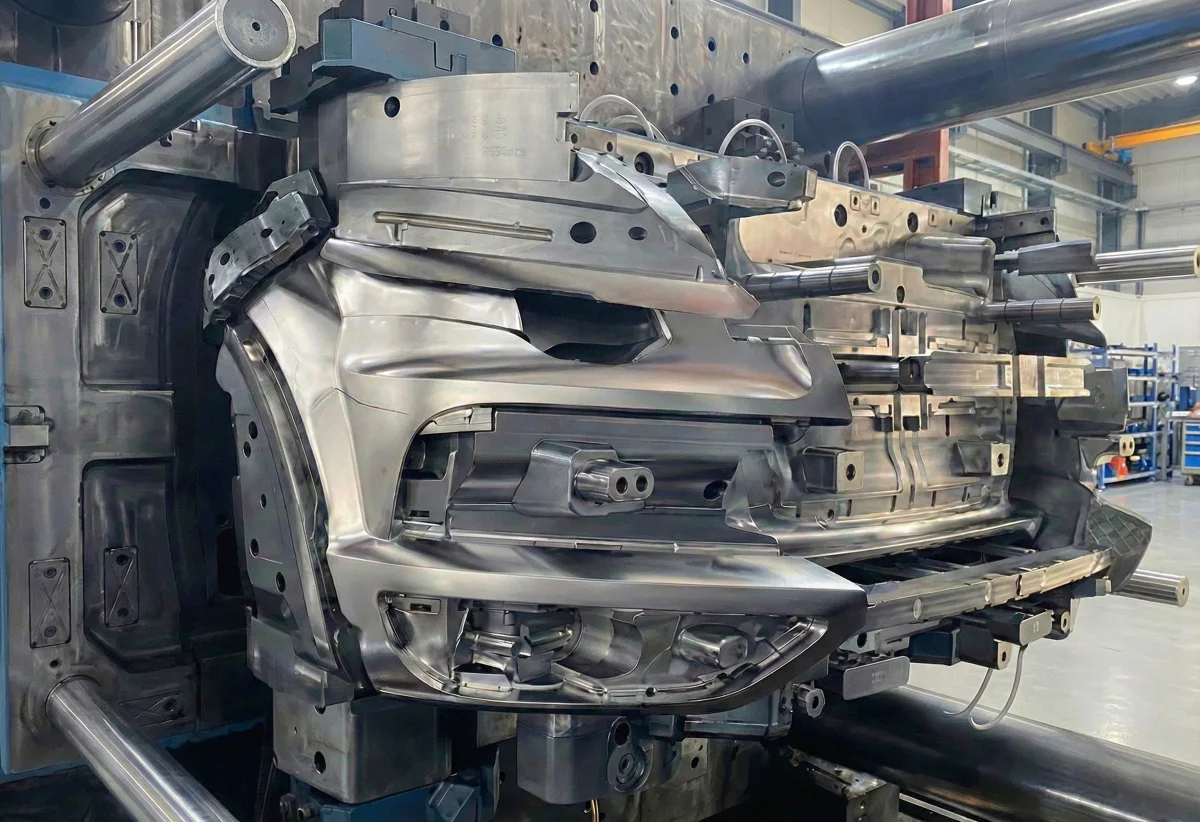
The true value of an injection mold extends far beyond the initial tooling investment. For manufacturers operating large-scale production programs, mold durability directly influences maintenance expenses, production downtime, and long-term profitability.
High-quality mold construction begins with the selection of suitable mold steel. Materials such as 718H, H13, and S136 are widely used for demanding applications due to their excellent hardness, wear resistance, and dimensional stability.
Combined with advanced heat treatment processes and precision machining techniques, these materials help molds withstand hundreds of thousands—or even millions—of injection cycles while maintaining critical dimensions and surface quality.
A durable mold helps preserve parting line integrity, cavity accuracy, and shut-off surface performance over extended production runs. This significantly reduces maintenance frequency, minimizes flash formation, and decreases the risk of unexpected production interruptions.
Whether producing automotive components, appliance housings, consumer products, or logistics equipment, longer mold life translates directly into lower total cost of ownership and improved return on investment.
Stable Repeatability for Global Manufacturing Standards
As global supply chains become increasingly interconnected, manufacturers require production systems capable of delivering identical parts across different production batches, facilities, and markets.
High-precision plastic injection molds provide the repeatability necessary to achieve consistent quality regardless of production volume. Carefully controlled cavity dimensions, balanced filling systems, optimized cooling performance, and precision-machined mold components all contribute to minimizing variation during manufacturing.
Consistent repeatability is particularly important for industries that operate under strict quality requirements. Automotive suppliers must meet rigorous assembly standards, appliance manufacturers require precise component alignment, and logistics products must maintain reliable load-bearing performance throughout their service life.
By reducing dimensional variation and improving process stability, precision molds help manufacturers lower rejection rates, improve customer satisfaction, and strengthen their reputation in competitive global markets.
Engineering Excellence Behind High-Precision Injection Molds
Achieving exceptional mold performance requires far more than advanced machinery alone. Successful mold manufacturing combines engineering expertise, process control, material knowledge, and rigorous quality management.
Professional mold development typically includes:
- Product structure analysis and DFM evaluation
- Mold flow simulation and process optimization
- Precision mold design engineering
- High-speed CNC machining
- EDM and wire cutting operations
- Precision assembly and fitting
- Comprehensive mold testing and validation
- Continuous quality inspection and documentation
Each stage contributes to the overall accuracy, durability, and production performance of the finished mold.
Engineering Precision Into Every Mold
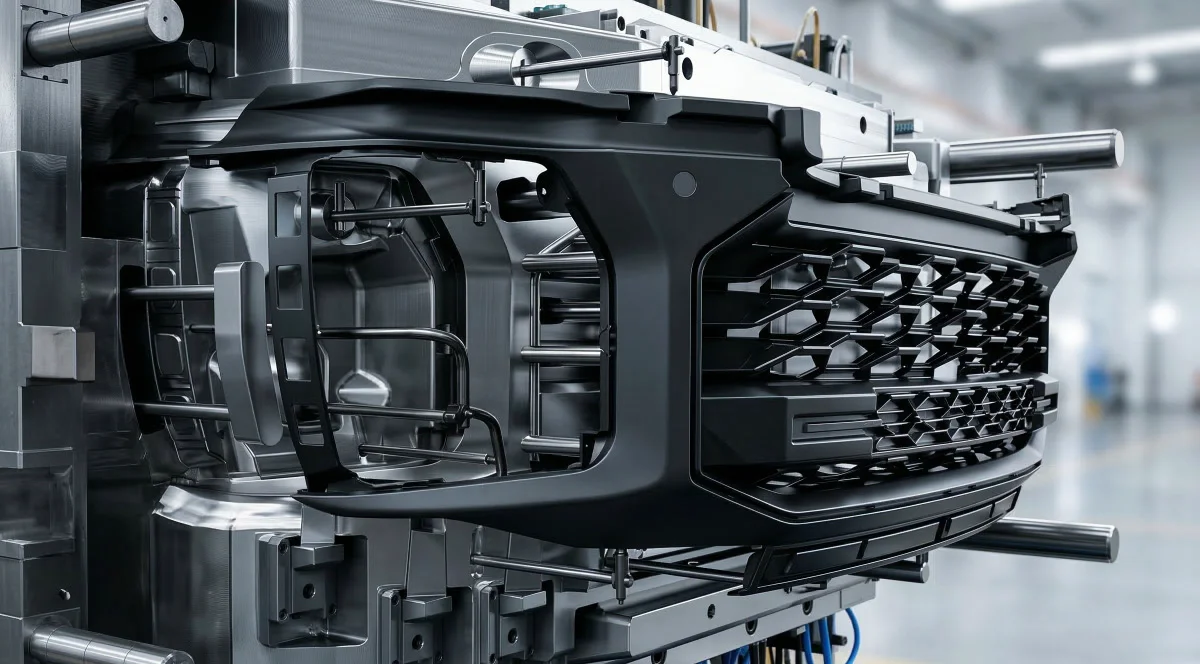
At SUASE, mold development is approached as an engineering challenge rather than simply a manufacturing process. Our team combines advanced mold design, precision machining technology, mold flow analysis, and strict quality control procedures to deliver reliable tooling solutions for global customers.
From automotive plastic components and household appliances to consumer products and logistics solutions, every mold is designed with a focus on accuracy, durability, production efficiency, and long-term performance.
By helping customers improve manufacturing stability, reduce operational costs, and achieve consistent product quality, SUASE supports successful production programs across a wide range of industries.
Conclusion
High-precision injection molds are the foundation of efficient and reliable plastic product manufacturing. Their value extends far beyond dimensional accuracy, influencing production speed, tooling lifespan, maintenance requirements, and overall manufacturing performance.
Through micron-level tolerance control, optimized production cycles, extended tool life, and exceptional repeatability, precision molds provide manufacturers with the stability and efficiency needed to compete in today's global marketplace.
As product requirements continue to evolve, partnering with an experienced injection mold manufacturer capable of delivering high-performance tooling solutions will remain a critical factor in achieving long-term manufacturing success.