
In modern manufacturing, household injection molds are essential tools for producing plastic daily necessities and home products. Common plastic goods such as water cups, storage boxes, lunch boxes, hangers, bathroom items, and kitchen tools all rely on high-efficiency injection molding. With rising consumer expectations, the design and manufacturing level of molds directly determine product quality, aesthetics, and competitiveness.
Injection molds not only drive the growth of the plastic processing industry but also play a vital role in smart manufacturing and green production. High-precision and high-efficiency mold solutions are widely applied in home product molds, daily necessities molds, and other consumer goods industries.
What Are Household Injection Molds?
An injection mold is a tool that injects molten thermoplastic or thermoset materials into a mold cavity via an injection molding machine, then cools and solidifies them into a finished product. Household injection molds are specifically used for producing plastic consumer goods and feature:
- Wide product variety, covering household, kitchen, bathroom, office, and personal care items.
- High requirements for product appearance and surface gloss.
- Durable and efficient, designed for mass production.
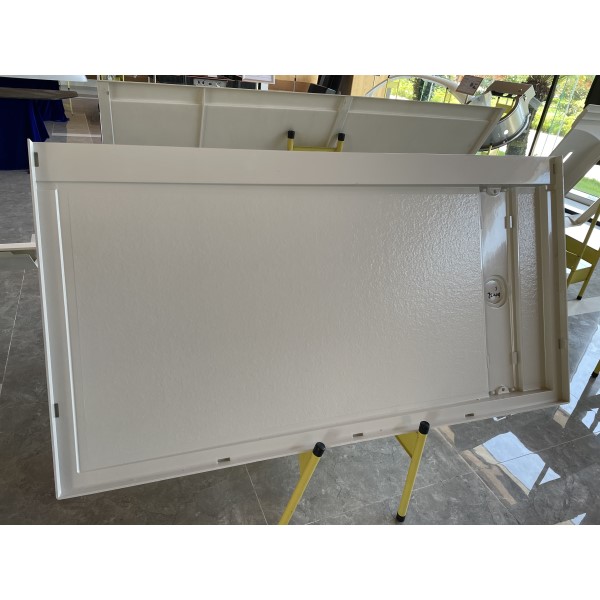
Applications of Household Injection Molds
- Household products: plastic chairs, storage boxes, hangers, bins, laundry baskets.
- Kitchenware: lunch boxes, seasoning containers, cutting boards, food storage boxes, tableware.
- Bathroom products: toothbrush cups, washbasins, shower organizers, soap holders.
- Office & stationery: file folders, pen holders, stationery boxes, desktop organizers.
- Personal care & consumer goods: cosmetic cases, combs, children’s toys, grooming tools.
These industries demand high injection molding precision, durability, and aesthetics, making mold design and manufacturing a critical process.
Structure & Features of Household Injection Molds
Household injection molds generally consist of the following parts:
- Mold base – provides support and alignment.
- Cavity & core – determine the product’s shape and structure.
- Runner system – ensures uniform flow of molten plastic.
- Cooling system – maintains temperature and shortens cycle time.
- Ejection system – releases the finished part smoothly.
Their design is characterized by high precision, high surface finish, long service life, and multi-cavity design, ideal for mass production and diverse product needs.
Design & Manufacturing Considerations
- Product structure analysis: optimize thickness and draft angles to avoid defects.
- Material selection: common steels include P20, H13, 718, and S136.
- Cooling system optimization: improve production efficiency and cycle time.
- Gate & vent design: prevent shrinkage, bubbles, and burn marks.
- Surface treatment: mirror polishing or texturing for enhanced appearance and functionality.
Manufacturing Process of Household Injection Molds
- Product analysis and mold design
- Mold component machining (CNC, EDM, grinding, etc.)
- Mold assembly and tuning
- Trial molding and product testing
- Mass production and process optimization
Advantages of Household Injection Molds
- Ideal for large-scale production with low per-unit cost.
- Consistent product quality with stable dimensions and appearance.
- Capable of producing complex shapes and multi-functional designs.
- Supports eco-friendly plastics and recyclable materials.
Future Development Trends
- Smart molds: sensors for real-time monitoring of temperature and pressure.
- Quick mold change systems: enabling flexible, small-batch production.
- Advanced composite materials: improved durability and environmental performance.
- Automation & robotics: integration with injection molding lines to reduce labor cost and boost efficiency.
Conclusion
Household injection molds are the bridge between plastic raw materials and everyday consumer products. With advancements in high-precision manufacturing, green production, and smart technologies, these molds not only improve product quality and efficiency but also drive industry-wide upgrades in plastic processing.
Looking ahead, household injection molds will play an even greater role in household goods, consumer products, and industrial applications, delivering more sustainable, aesthetic, and functional solutions to consumers worldwide.