Under the accelerating trends of lightweight engineering, functional integration, and industrial efficiency, custom tooling has become a decisive factor in modern composite manufacturing. From compression molding to advanced thermoplastic forming, well-engineered tooling systems directly determine product accuracy, surface quality, and long-term production stability.
As a professional tooling manufacturer, focuses on delivering custom tooling solutions that transform complex designs into reliable, scalable composite products for global customers.
What Is Custom Tooling?
Custom tooling refers to purpose-built molds, dies, and forming tools designed specifically around a product’s geometry, material behavior, and manufacturing process. Unlike standard tooling, custom solutions are engineered to meet precise performance, durability, and efficiency requirements.
Custom tooling is widely applied in:
- SMC and BMC compression molding
- Thermoplastic composite forming
- Automotive and EV structural components
- Industrial enclosures and housings
- Construction and infrastructure composites
Why Custom Tooling Matters in Composite Manufacturing
Composite materials are highly sensitive to mold structure, heating distribution, and venting design. Poorly designed tooling can lead to defects such as voids, warpage, uneven curing, and surface inconsistency.
High-quality custom composite tooling enables:
- Precise dimensional control and repeatability
- Optimized material flow and fiber distribution
- Reduced cycle time and scrap rate
- Stable quality over long production runs
- Integration of inserts, ribs, and functional features
Custom Tooling for Compression Molding (SMC / BMC)
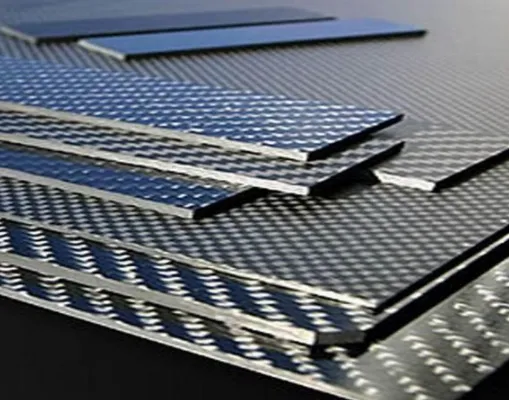
In SMC and BMC compression molding, tooling design directly influences surface finish, mechanical performance, and production efficiency. Custom compression molds are engineered with optimized cavity geometry, heating channels, and venting systems to ensure uniform curing.
Typical applications include:
- Automotive exterior and structural parts
- EV battery enclosures and protection covers
- Electrical and industrial equipment housings
- Building panels and infrastructure components
Custom Tooling for Thermoplastic and Hybrid Composites
With the rapid growth of thermoplastic composites, tooling must withstand higher temperatures, faster cycle times, and increased automation requirements. Custom thermoplastic tooling supports efficient forming while maintaining dimensional stability.
Advantages of custom tooling for thermoplastics include:
- Shorter processing cycles compared to thermosets
- Improved impact resistance and fatigue performance
- Enhanced recyclability and sustainability
- Compatibility with automated production lines
Engineering and Design Optimization
Digital Simulation and Structural Analysis
Advanced CAD and CAE simulation tools are used to analyze material flow, thermal behavior, and structural stress before tooling production. This digital approach reduces development risk and shortens lead times.
Tooling Material Selection
Depending on production volume and application requirements, custom tooling may use hardened tool steel, aluminum alloys, or hybrid materials to balance durability and cost efficiency.
Integrated Heating and Control Systems
Modern custom tooling integrates intelligent heating systems, temperature sensors, and precise control units to ensure consistent forming conditions and repeatable quality.
Manufacturing Efficiency and Cost Advantages
Well-designed custom tooling significantly improves manufacturing efficiency by reducing cycle time, energy consumption, and maintenance frequency. Over the full lifecycle, high-quality tooling delivers lower total production costs and higher return on investment.
Application Industries
- Automotive & New Energy: lightweight structures, battery system components
- Construction: corrosion-resistant panels and modular elements
- Industrial Equipment: enclosures, covers, and structural parts
- Energy & Utilities: composite housings and protective systems
Future Trends in Custom Tooling
The future of custom tooling is moving toward intelligent, digitalized, and sustainable solutions. Modular tooling concepts, smart monitoring systems, and energy-efficient designs will further enhance manufacturing flexibility and environmental performance.
Conclusion
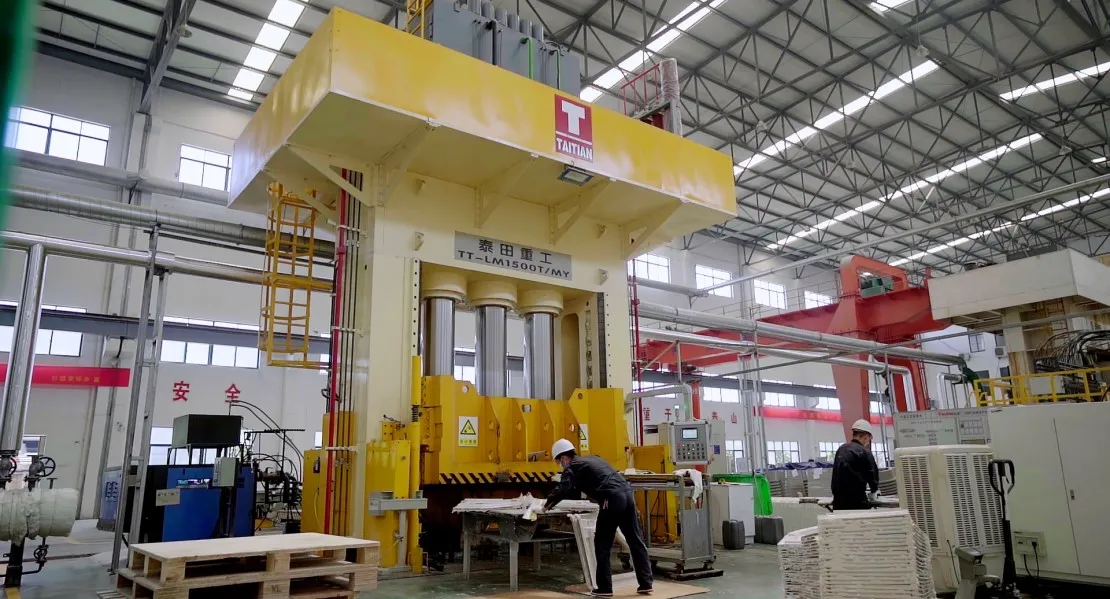
Custom tooling is the backbone of high-quality composite manufacturing. By aligning tooling design with material characteristics and production demands, manufacturers can unlock superior performance, efficiency, and reliability.
With deep expertise in custom composite tooling, continues to support global customers with precision-engineered solutions for automotive, energy, construction, and industrial applications.