
Compression mold production is more than machining a cavity from a CAD model. A production-ready tool must maintain dimensional accuracy, structural stability, heating performance, parting-line control and reliable demolding over repeated molding cycles.
For SMC, BMC, CF-SMC, GMT, LFT and other composite molding applications, every stage of tooling production can influence the performance of the final molded part. Steel selection, machining strategy, fitting accuracy, thermal system installation, surface finishing and mold trial all need to work together.
This article explains the practical production stages used by a professional compression mold manufacturer and highlights the quality-control points that matter before a mold enters regular production.
What Is Compression Mold Production?
Compression mold production is the manufacturing process used to convert an approved tooling design into a physical mold capable of producing composite or thermoset parts under controlled pressure and temperature.
Depending on the application, a compression mold may contain multiple systems, including:
- Upper and lower mold structures
- Cavity and core surfaces
- Parting and shear-edge areas
- Guide and alignment systems
- Heating circuits or heating elements
- Cooling systems where required
- Venting features
- Ejection mechanisms
- Hydraulic or mechanical auxiliary mechanisms
- Replaceable wear components
The production process therefore has to control both the geometry of the tooling and the functional relationship between these systems.
Why Production Quality Matters in Compression Molds
A compression mold operates under repeated mechanical and thermal loading. During production, the tool may repeatedly experience press force, elevated temperature, material flow, curing, mold opening and demolding.
If the mold structure or machining quality is inconsistent, the resulting problems may include:
- Dimensional variation in molded parts
- Excessive flash
- Uneven surface quality
- Difficulty releasing the part
- Uneven temperature distribution
- Premature wear of high-contact areas
- Longer mold trial periods
- Frequent tooling modifications
- Unstable production performance
This is why a professional compression mold factory needs to control the entire production chain rather than treating CNC machining as the only important step.
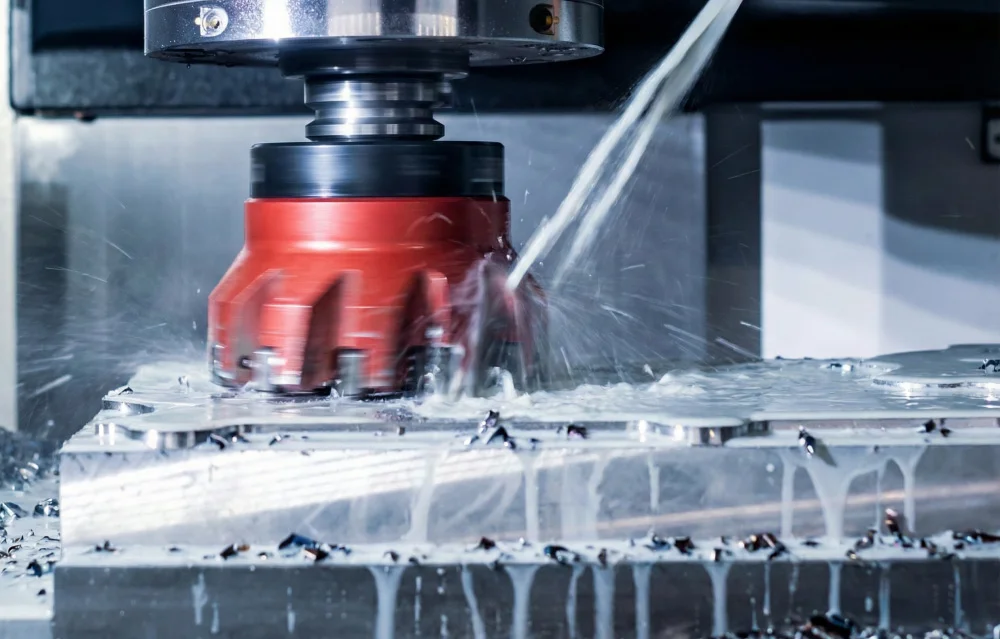
1. Steel Preparation and Material Verification
The first physical stage of compression mold production is normally steel preparation.The selected mold steel should be consistent with the required production volume, material characteristics, surface requirements, operating temperature and expected wear.
For SMC and BMC applications, the presence of glass fibers and mineral fillers can increase the abrasive conditions experienced by mold surfaces. Long-production tooling therefore needs an appropriate balance of hardness, toughness, dimensional stability and machinability.
What Should Be Checked Before Machining?
- Steel grade
- Material certificate where required
- Steel dimensions
- Initial material condition
- Heat-treatment requirements
- Potential machining allowance
- Traceability of major tooling components
Material verification at the beginning of production provides a technical baseline for the tooling and helps prevent material-related problems from appearing later.
2. Rough Machining Builds the Mold Structure
After steel preparation, rough machining removes excess material and establishes the main geometry of the mold components.
At this stage, the objective is not to achieve the final surface condition. Instead, the machining strategy focuses on establishing the major structural features while maintaining sufficient material for subsequent finishing operations.
Large compression molds may contain deep cavities, large flat areas, ribs, bosses, mounting structures and complex transitions. The machining sequence should therefore consider rigidity, accessibility and deformation risk.
Why Is Machining Sequence Important?
Removing a large amount of material from one side of a steel block can change the internal stress balance of the component. If machining is not planned correctly, deformation can appear during subsequent operations.
A controlled machining sequence helps maintain the dimensional relationship between major mold components and reduces the amount of correction required later.
3. Heat Treatment and Dimensional Stability
Depending on the selected steel and tooling requirements, heat treatment may be required to achieve the necessary hardness and mechanical properties.
Heat treatment is not simply a material-strengthening operation. It can also affect dimensional stability and therefore needs to be considered as part of the complete machining strategy.
For precision tooling, manufacturers need to consider the relationship between:
Material condition → heat treatment → stress relief → finishing allowance → final machining
If dimensional changes occur during heat treatment, sufficient allowance and appropriate post-treatment machining must be planned.
4. Finish CNC Machining Controls the Final Geometry
Finish machining is where the mold cavity and core surfaces are brought closer to their final dimensions and surface requirements.
The objective is not simply to achieve a good-looking cavity. Critical features need to maintain their relationship with product datums, mounting points, inserts, parting surfaces and other tooling components.
Important CNC Machining Areas
- Cavity and core profiles
- Ribs and bosses
- Mounting interfaces
- Parting surfaces
- Shear edges
- Insert locations
- Ejector features
- Guide and locating features
- Heating-system passages
- Venting features
For large composite molds, machining accuracy also has to be considered across the complete working area rather than at only one local feature.
5. Parting Line and Shear Edge Production
The parting line is one of the most sensitive areas of a compression mold because it directly influences mold closure, flash formation and the finished part edge.
In SMC and BMC tooling, a properly engineered shear-edge area can help control excess material and reduce the amount of trimming required after molding.
During production, the manufacturer needs to control:
- Parting-line geometry
- Shear-edge dimensions
- Upper-to-lower mold alignment
- Local contact conditions
- Machining accuracy
- Fitting quality
These factors cannot be evaluated independently. A machining error, assembly error or alignment problem may eventually appear as excessive flash during molding.
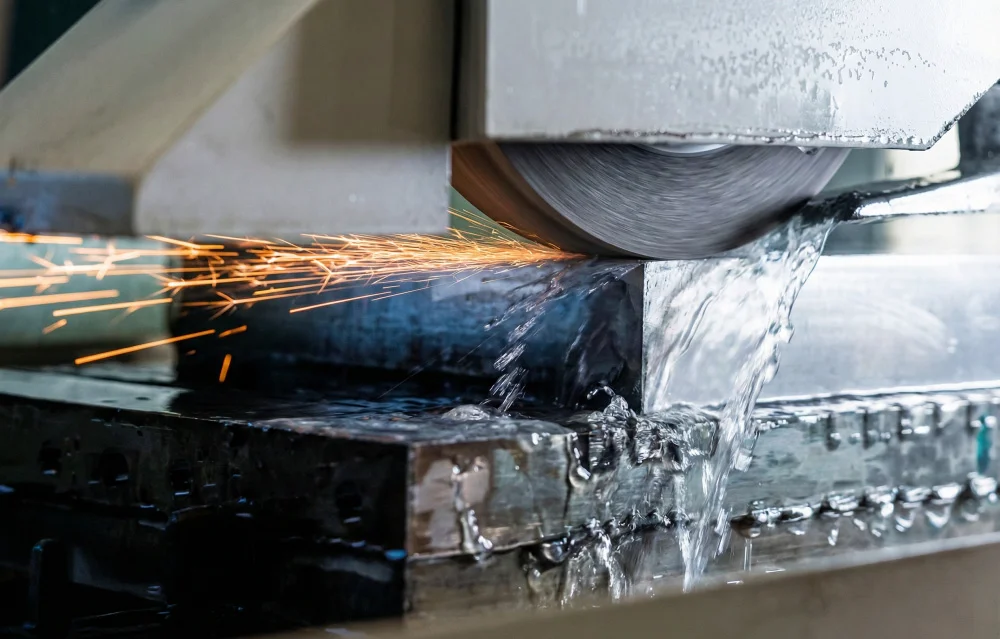
6. Surface Finishing for Compression Molds
Surface finishing is selected according to the requirements of the molded product.Automotive exterior panels, visible covers and technical components may have very different surface specifications.
Depending on the project, finishing operations may include:
- Precision polishing
- Mirror polishing
- Texturing
- Chrome treatment
- Other wear-resistant surface treatments
Surface finishing also influences demolding behavior. An unsuitable or inconsistent surface condition can increase friction and make part release more difficult.
For this reason, surface treatment should be considered together with product appearance, material behavior, release direction and expected production conditions.
7. Heating System Installation
For thermoset compression molding, the mold acts as both a forming tool and a thermal processing system. Heating performance can therefore have a direct influence on curing behavior and dimensional stability.
Depending on the tooling design, compression molds may use:
- Electric cartridge heaters
- Thermal oil heating
- Steam heating
- Multiple independently controlled heating zones
The physical installation of the heating system needs to follow the approved tooling design. Heater locations, sensor positions, wiring or piping routes and service access all need to be considered.
Why Is Temperature Uniformity Important?
If different areas of the mold operate at significantly different temperatures, curing behavior may vary across the component. This can contribute to dimensional variation, surface differences or inconsistent production results.
Therefore, thermal inspection should be included before final mold acceptance.
8. Venting and Gas Evacuation Features
During compression molding, air and process gases need suitable paths to leave the cavity.Venting is especially important around deep features, enclosed areas and regions where material flow can restrict gas movement.
Poor venting may contribute to:
- Trapped air
- Surface defects
- Voids
- Incomplete filling
- Local burning or curing problems
However, excessive or poorly controlled venting can create additional material leakage paths and increase flash.
The production team therefore needs to verify that the machined venting features match the approved tooling design and remain clean and functional during assembly and trial.
9. Mold Fitting: Where Machining Becomes a Working Tool
CNC machining produces individual mold components, but those components still need to function together as one tooling system.
This is where mold fitting becomes important.
Experienced technicians may check and adjust:
- Parting-line contact
- Upper and lower mold alignment
- Insert fitting
- Guide-system movement
- Ejector movement
- Sliding mechanisms
- Shear-edge contact
- Local interference
A mold can have individually accurate components and still perform poorly if the interfaces between those components are not correctly fitted.
10. Compression Mold Assembly
After fitting, the mold enters the assembly stage. The objective is to transform the individual components into a complete production tool.
Depending on the mold design, assembly may include:
- Upper and lower mold assembly
- Guide pillar and bushing installation
- Ejector system installation
- Heating component installation
- Temperature sensor installation
- Hydraulic or pneumatic component installation
- Insert installation
- Venting system verification
- Electrical connection
Assembly is also an opportunity to identify interference or accessibility problems before the mold reaches the press.
11. Dimensional Inspection Before Mold Trial
Before trial molding, the completed mold should be inspected against the approved tooling data and relevant product requirements.
Depending on the project, inspection may include:
| Inspection Area | Typical Focus |
|---|---|
| Overall Mold | Dimensions, mounting interfaces and press compatibility |
| Cavity | Profiles, critical features and product geometry |
| Parting Line | Alignment, contact and shear-edge condition |
| Surface | Finish, texture, polishing and visible defects |
| Heating | Heater installation, sensors and thermal response |
| Ejection | Movement, stroke and interference |
| Moving Mechanisms | Clearance, alignment and repeatable movement |
Inspection methods should be selected according to the size, complexity and tolerance requirements of the tooling.
12. Mold Trial Validates the Physical Tool
A compression mold should not be considered production-ready simply because machining and dimensional inspection have been completed.
The mold trial verifies how the tooling performs under actual molding conditions.
During a trial, engineers may evaluate:
- Material filling
- Material flow
- Flash
- Surface quality
- Part dimensions
- Demolding behavior
- Heating performance
- Cycle time
- Part weight
- Repeatability
The trial is particularly valuable because some problems cannot be identified by measuring the steel alone. Material behavior, curing, release and actual flash formation become visible only when the mold is operated.
13. From Trial Results to Tooling Modification
Mold modification after the first trial does not necessarily indicate poor manufacturing.For complex compression tooling, trial results provide engineering feedback that can be used to optimize the physical tool.
Typical adjustments may involve:
- Local parting-line correction
- Venting adjustment
- Surface finishing
- Ejection improvement
- Local geometry correction
- Heating-system adjustment
- Material-flow-related modifications
The important point is that modifications should be based on measured trial results rather than uncontrolled trial-and-error machining.
14. Production Quality Control for Different Compression Mold Materials
Different molding materials create different tooling considerations. The production process should therefore be adapted to the material and final component.
| Material / Process | Important Production Considerations |
|---|---|
| SMC | Large cavity surfaces, material flow, flash, temperature control and dimensional stability |
| BMC | Complex geometry, ribs, bosses, inserts, venting and surface quality |
| CF-SMC | Fiber-related material behavior, surface requirements, wear and dimensional control |
| GMT | Thermoplastic processing, heating and cooling behavior, pressure and demolding |
| LFT | Material flow, fiber orientation, temperature management and cycle stability |
| PCM | Temperature control, pressure, curing behavior and surface requirements |
This is one reason why compression tooling experience should be evaluated together with material and process knowledge.
15. Common Quality Problems During Compression Mold Production
Dimensional Deviation
Dimensional deviation may be related to machining accuracy, material deformation, heat-treatment effects, assembly alignment or insufficient inspection.
Excessive Flash
Excessive flash can result from parting-line fitting, shear-edge condition, mold alignment, material charge or process parameters. The tooling should be checked systematically rather than relying only on additional trimming.
Demolding Problems
Difficult release may be associated with insufficient draft, surface condition, local geometry, ejection design or process conditions.
Uneven Temperature
Thermal non-uniformity can result from heating layout, heater placement, sensor positioning, thermal contact or control settings.
Surface Defects
Surface defects can involve mold finishing, material flow, venting, temperature, contamination or processing conditions. The tooling and molding process should therefore be evaluated together.
16. What Makes a Professional Compression Mold Factory Different?
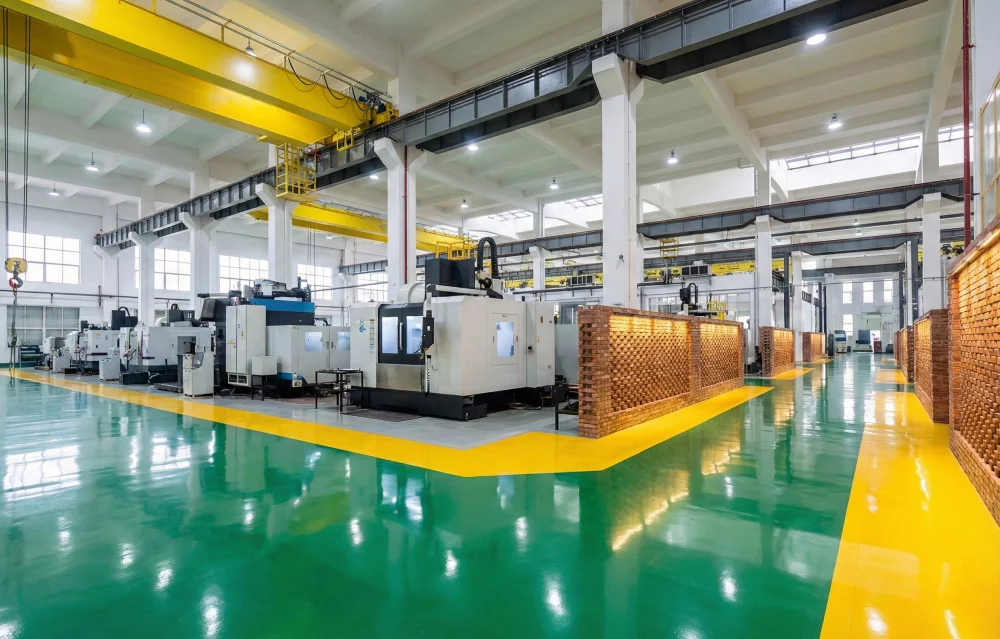
A compression mold factory is not defined only by the number of CNC machines it owns.The more important question is whether engineering, machining, fitting, assembly, inspection and trial molding are connected through a controlled production process.
| Capability | Why It Matters |
|---|---|
| Engineering | Converts product requirements into manufacturable tooling |
| Precision Machining | Creates accurate cavity and tooling geometry |
| Fitting | Controls interfaces, parting surfaces and moving components |
| Assembly | Integrates the complete mold system |
| Inspection | Verifies dimensional and functional requirements |
| Trial Molding | Validates actual production behavior |
| Modification | Allows engineering feedback to be converted into controlled tooling improvements |
An integrated production workflow can reduce communication gaps between engineering and manufacturing and make it easier to trace problems back to their technical causes.
17. Compression Mold Production for Automotive Applications
Automotive compression molds often combine large dimensions, complex surfaces, structural ribs, mounting interfaces and appearance requirements.
Components such as truck panels, bumpers, battery enclosure components, wheel wells and other composite body structures may require close coordination between product geometry and tooling production.
For these applications, production quality should be considered across several levels:
- Tooling dimensional accuracy
- Parting-line and flash control
- Surface quality
- Thermal performance
- Demolding reliability
- Finished-part dimensional stability
- Repeatability during production
SUASE develops compression tooling for automotive and composite applications, including SMC tooling for large vehicle components.
18. How SUASE Approaches Compression Mold Production
SUASE's compression tooling workflow connects engineering, machining, assembly, inspection and trial validation rather than treating mold production as a single CNC machining operation.
The company's tooling capabilities cover compression molding applications including SMC, BMC, CF-SMC, PCM, Baypreg and thermoplastic composite processes. Its production approach combines product review, mold design, precision machining, fitting, assembly, trial molding and inspection.
For a new project, the production process can be organized around the following sequence:
Approved Product Data → Tooling Design → Steel Preparation → Rough Machining → Finish Machining → Fitting → Assembly → Inspection → Mold Trial → Final Validation
This approach helps connect the physical tooling with the production requirements of the final molded component.
19. Compression Mold Production Is a System, Not a Single Machining Operation
The quality of a compression mold is created through a sequence of controlled decisions.A highly accurate CNC machine cannot compensate for an unsuitable material selection, poor parting-line design or inadequate thermal system.
Likewise, a well-designed mold can still experience production problems if machining, fitting or assembly is not controlled properly.
The relationship can be summarized as:
Design accuracy + material selection + machining quality + fitting accuracy + thermal control + assembly quality + trial validation = production mold performance
This system-level perspective is particularly important for large SMC molds and high-volume composite tooling.
20. Why Choose an Experienced Compression Mold Manufacturer?
Choosing a compression mold manufacturer is ultimately about more than obtaining a machined piece of steel. The tooling needs to operate under real production conditions and remain maintainable over its expected service life.
An experienced manufacturer can contribute practical knowledge in areas such as:
- Compression mold structure
- Composite material behavior
- Machining strategy
- Parting-line and flash control
- Heating-system integration
- Venting
- Ejection
- Mold fitting
- Trial molding
- Tooling modification
- Production troubleshooting
These capabilities become particularly valuable when the molded component has tight dimensional requirements, complex geometry or high annual production volume.
Conclusion
Professional compression mold production is a controlled manufacturing process that extends from steel preparation to final mold validation.
Rough machining establishes the basic structure. Heat treatment and stress management support dimensional stability. Finish CNC machining creates the required geometry. Fitting and assembly turn individual components into a functional tooling system, while inspection and mold trials verify how the tool performs under actual production conditions.
For SMC, BMC and other composite applications, the most reliable tooling results come from treating machining, thermal management, parting-line control, venting, demolding and inspection as interconnected engineering requirements.
For customers looking for a compression mold supplier, compression mold manufacturer or experienced compression mold factory, understanding the production process provides a useful way to evaluate the real technical capability behind a tooling quotation.
Frequently Asked Questions About Compression Mold Production
What are the main steps in compression mold production?
The main steps normally include steel preparation, rough machining, heat treatment where required, finish CNC machining, surface finishing, fitting, heating and auxiliary-system installation, assembly, inspection and mold trial.
How long does compression mold production take?
Production time depends on mold size, product complexity, steel requirements, machining workload, mechanisms, surface specifications, heating systems and trial requirements. A reliable schedule should be established after the tooling design and technical requirements are reviewed.
Why is fitting important after CNC machining?
CNC machining produces individual components, but the complete mold still requires accurate alignment and fitting. Parting-line contact, inserts, guide systems, ejectors and moving mechanisms all depend on proper assembly and fitting.
What is checked during a compression mold trial?
A trial may evaluate material filling, flash, surface quality, dimensions, demolding, heating performance, part weight, cycle time and production repeatability.
Why is temperature control important for SMC molds?
SMC is processed using heat and pressure, so mold temperature can influence curing, surface quality and dimensional stability. A suitable heating layout and temperature control system help maintain consistent processing conditions.
What materials can compression molds be produced for?
Compression tooling can be designed for a range of materials and processes, including SMC, BMC, CF-SMC, PCM, Baypreg, GMT, LFT and other thermoset or thermoplastic composite molding applications.
Can a compression mold be modified after the first trial?
Yes. For complex tooling, controlled modifications after the first trial can be part of normal tooling development. Trial results should be measured and analyzed before deciding what tooling changes are required.
What should a buyer evaluate when choosing a compression mold factory?
Buyers should consider engineering capability, material knowledge, machining capacity, fitting and assembly experience, inspection capability, trial molding resources and the manufacturer's ability to provide technical support during tooling development.
About SUASE
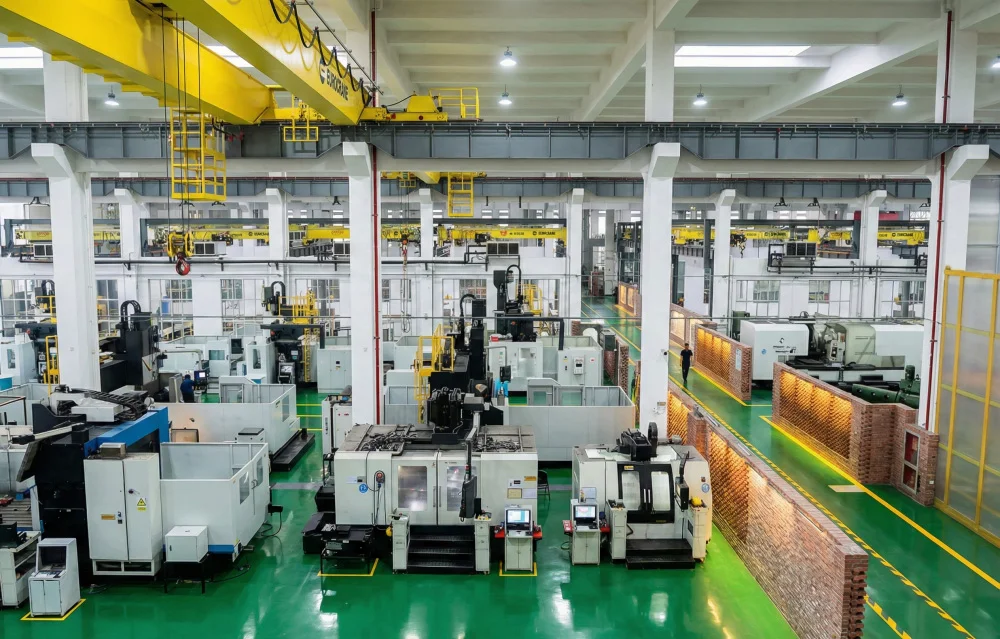
SUASE is a professional composite mold manufacturer specializing in compression tooling for SMC, BMC, GMT, LFT, CF-SMC and other composite molding applications.The company supports customers through tooling design, precision machining, assembly, mold trials and production-oriented tooling development.
For more information about compression tooling capabilities, visit the SUASE official website.
To learn more about compression mold design and manufacturing capabilities, customers can also review the compression mold design,precision machining,mold assembly andSMC mold pages.