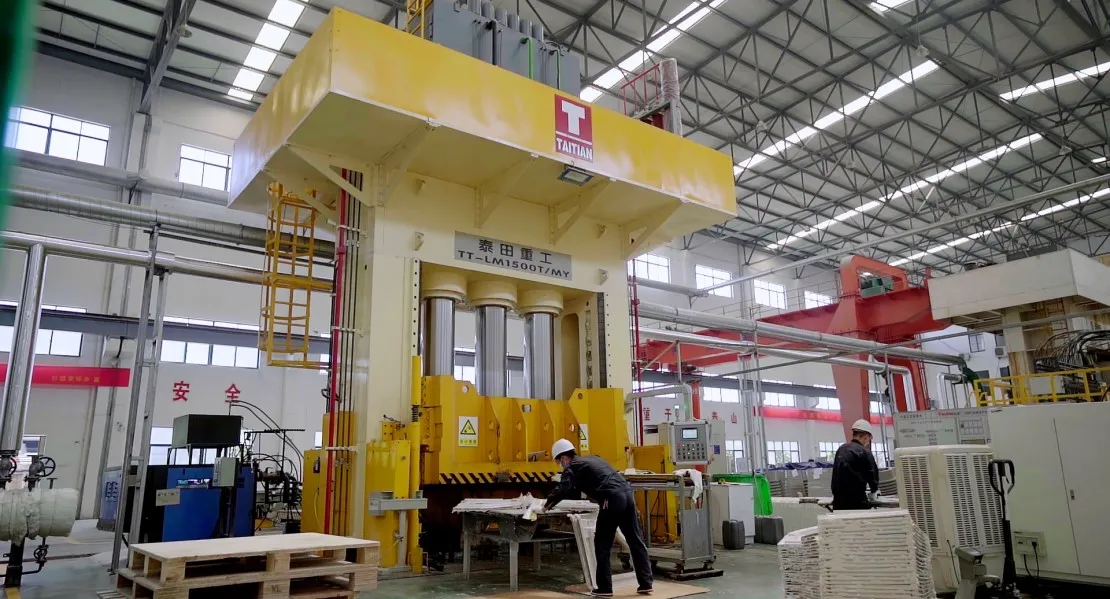
SUASE, a prominent company based in Zhejiang, China, has solidified its position as a leading manufacturer specializing in composite tooling. With a rich background in mold production and an unwavering commitment to excellence, SUASE offers a comprehensive range of solutions in composite tooling, including composite molds and other related products. By leveraging advanced technologies and a dedicated team, SUASE delivers cutting-edge composite tooling solutions that drive innovation across industries.
Composite Mold Expertise:
At the core of SUASE's capabilities lies its expertise in composite mold manufacturing. With precision engineering and an acute understanding of composite materials, SUASE designs and fabricates high-quality composite molds. These molds serve as the foundation for producing complex and durable composite components used in various applications, such as automotive, aerospace, and renewable energy.
Versatile Composite Tooling Solutions:
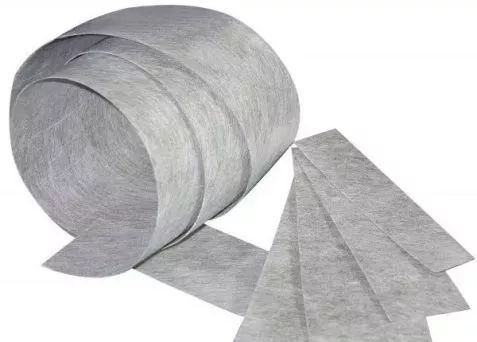
SUASE's proficiency extends beyond composite molds to encompass a wide range of composite tooling solutions. The company specializes in compression tooling, injection tooling, stamping tooling, and HP-RTM tooling. Whether it's producing intricate parts with intricate geometries, optimizing resin flow for superior composite performance, or facilitating efficient production processes, SUASE provides tailored solutions to meet diverse industry requirements.
Innovation through Advanced Technologies:
SUASE embraces advanced technologies to drive innovation in composite tooling. By utilizing state-of-the-art Computer-Aided Design (CAD) software and Computer-Aided Manufacturing (CAM) systems, the company ensures precise tooling designs and seamless translation from concept to production. These technologies enable SUASE to achieve greater accuracy, efficiency, and faster time-to-market, empowering their clients to stay ahead in today's rapidly evolving market.
Quality Assurance and Performance Optimization:
Quality is paramount at SUASE, and the company follows stringent quality assurance protocols throughout the manufacturing process. By employing rigorous inspection techniques and performance testing, SUASE ensures that its composite tooling solutions meet the highest standards of durability, precision, and performance. This commitment to quality is instrumental in establishing long-term partnerships and maintaining customer trust.
Collaborative Approach and Customer Satisfaction:
SUASE takes a collaborative approach, working closely with clients to understand their specific needs and requirements. By fostering open communication and collaboration, SUASE ensures that its composite tooling solutions are tailored to meet individual project goals. The company's dedicated team of experts provides comprehensive support, technical expertise, and responsive customer service, ensuring utmost customer satisfaction.
SUASE's comprehensive expertise in composite tooling, including composite molds and related solutions, positions them as a trusted industry leader. With a focus on innovation, advanced technologies, and customer collaboration, SUASE empowers businesses across diverse sectors to unlock the full potential of composite materials. As the demand for lightweight, high-performance, and sustainable solutions continues to grow, SUASE remains committed to driving advancements in composite tooling and shaping the future of industries worldwide.