A comprehensive analysis of building facade materials, modular construction solutions, and building module suppliers
Why Choose Modular Construction?
Why choose modular construction? This is one of the most critical questions in the construction industry amid industrial transformation. With urbanization and the growing demand for green buildings, modular construction has become the top choice for developers, architects, and investors due to its efficiency, sustainability, and flexibility.
- Efficient Construction Timeline: Reduces project duration by 30%–50%, ideal for hospitals, schools, and commercial projects.
- Cost Control: Standardized design and mass production minimize material waste and labor costs.
- Green and Sustainable: Recyclable, reduced onsite pollution, and energy-saving facade materials improve overall performance.
- Flexibility and Scalability: Modular units can be combined or expanded, suitable for residential, office, or commercial use.
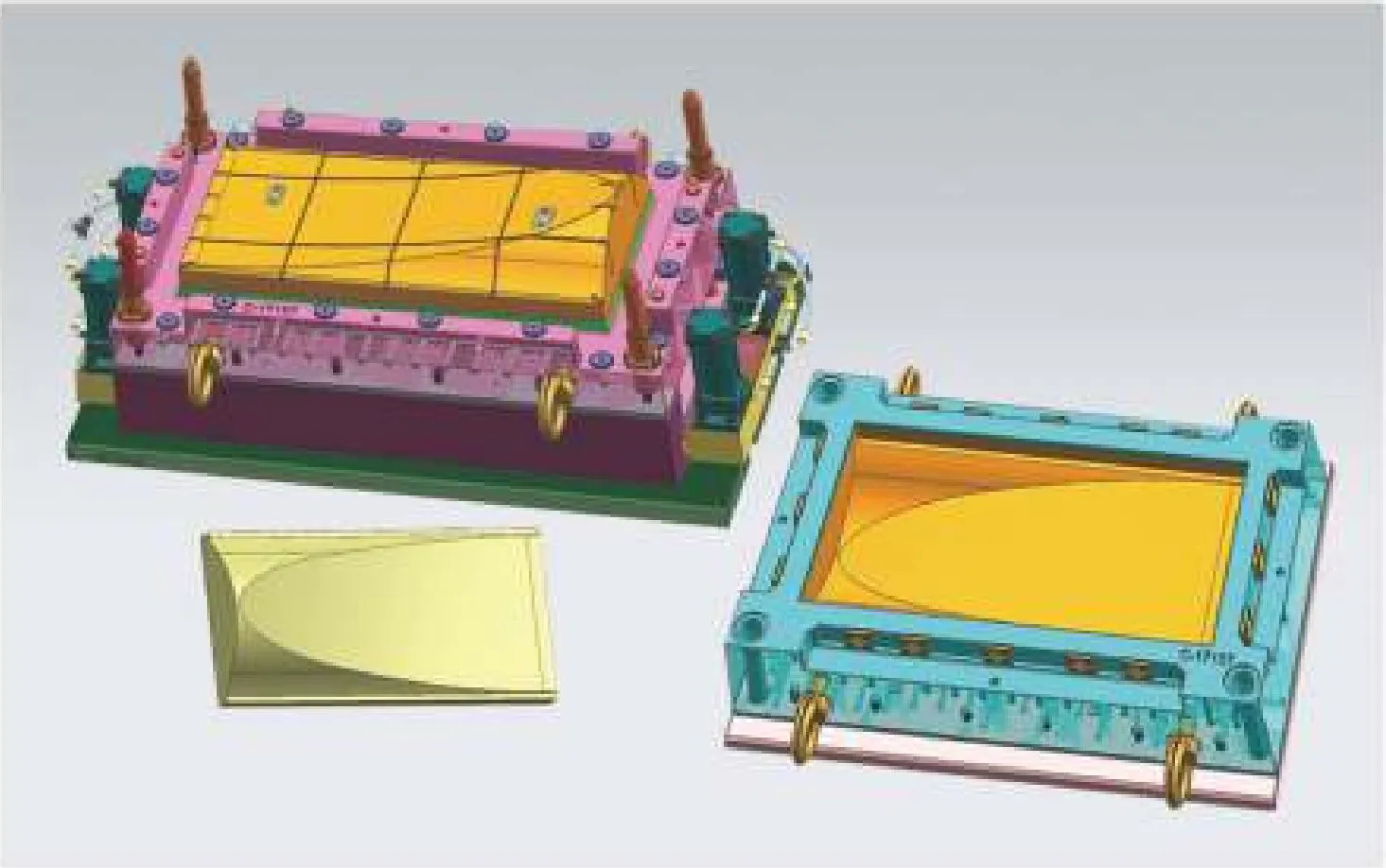
The Importance of Building Facade Materials in Modular Construction
Building facade materials not only define the architectural aesthetics but also impact energy performance and durability:
- Metal Cladding: Lightweight, corrosion-resistant, and easy to process.
- Glass Curtain Walls: Emphasize modern aesthetics and transparency.
- FRP (Fiber Reinforced Polymer): Lightweight, high-strength, and ideal for customized facade designs.
- High-Performance Insulation Panels: Such as rock wool or PU sandwich panels, combining energy efficiency and fire resistance.
Modular Construction Solutions
Modular construction solutions cover the entire process from design to manufacturing and installation:
- Standardized Design: BIM (Building Information Modeling) integration for optimized coordination.
- Factory Prefabrication: Structural units and MEP systems completed in factory settings for consistent quality.
- Onsite Assembly: Modules lifted and connected efficiently, paired with different facade materials for diverse styles.
- Lifecycle Services: From consultation to maintenance, providing closed-loop modular construction solutions.
Core Competitiveness of Building Module Suppliers
Choosing a reliable building module supplier is the key to a successful modular project:
- Technical Expertise: Advanced module fabrication and facade material processing technologies.
- Production Capacity: Large-scale prefabrication and fast delivery capabilities.
- R&D Strength: Ability to provide customized modular construction solutions.
- Service System: Covering design, production, logistics, installation, and after-sales.
Future Trends of Modular Construction
- Smart and Digital: AI and BIM to optimize design and module management.
- Green and Sustainable: Low-carbon facade materials and recyclable modules will become the standard.
- Cross-Industry Integration: Rapid adoption in healthcare, education, tourism, and commercial projects.
- Global Expansion: Building module suppliers will explore international opportunities in infrastructure.
Conclusion
Why choose modular construction? Because it represents the future of the construction industry. By leveraging high-performance building facade materials, integrated modular construction solutions, and collaborating with trusted building module suppliers, modular construction delivers advantages in efficiency, cost, sustainability, and design. It is not just a choice for today, but the mainstream trend shaping the future of urban development.