
In the fast-evolving world of composite manufacturing, carbon fiber molding has become a cornerstone of high-performance engineering. Known for its superior strength-to-weight ratio and design flexibility, carbon fiber composites are transforming how industries design and produce structural components. At SUASE, we combine advanced tooling design, precision machining, and intelligent process control to deliver reliable carbon fiber molds and composite molding solutions that meet the demands of next-generation manufacturing.
What Is Carbon Fiber Molding?
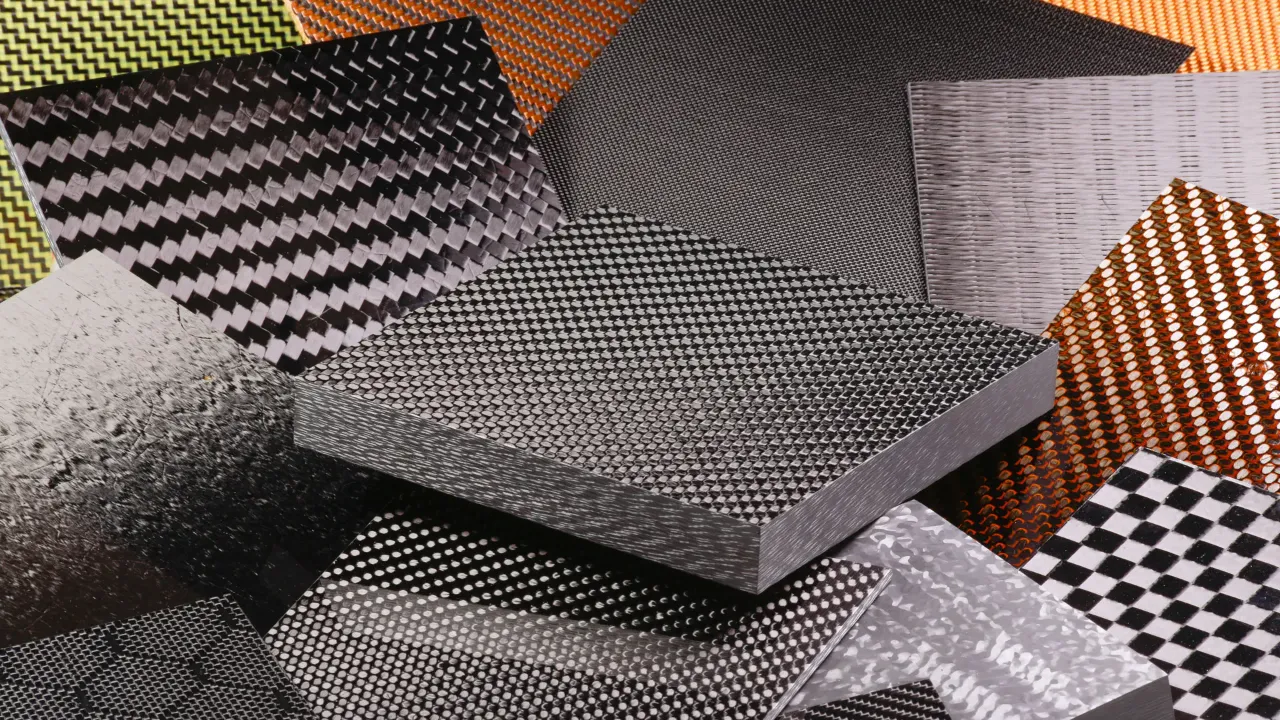
Carbon fiber molding is a process that uses carbon fiber-reinforced polymer (CFRP) materials—composed of woven carbon fibers embedded in a resin matrix—to form lightweight yet ultra-strong parts. The process leverages heat, pressure, and vacuum to consolidate the fibers and cure the resin, resulting in components that outperform traditional metals in strength, stiffness, and weight efficiency.
SUASE’s expertise lies in designing carbon fiber molds and compression molds that maintain dimensional stability and high surface precision, ensuring consistent quality and efficient cycle times across production runs.
The Carbon Fiber Molding Process
The carbon fiber molding process typically includes the following stages:
1. Material Preparation
Carbon fiber pre-pregs or dry fabrics are cut according to the 3D shape and layer orientation required for each part. The lay-up sequence is carefully engineered to optimize strength, stiffness, and load-bearing performance.
2. Lay-Up and Preforming
During lay-up, layers of carbon fiber are manually or robotically placed inside the composite mold. Fiber direction is controlled to meet design tolerances and functional requirements. Preforming tools help maintain part geometry before molding begins.
3. Compression and Curing
SUASE utilizes advanced compression molding and thermoforming mold systems to apply uniform pressure and temperature. Depending on the resin system—epoxy, vinyl ester, or thermoset—the curing process may take place in a press, oven, or autoclave.
- Compression Molding: Ensures smooth surface finish and high dimensional accuracy.
- Vacuum-Assisted Molding: Removes air voids and enhances fiber-resin bonding.
- Autoclave Processing: Provides aerospace-grade performance for structural components.
4. Demolding and Finishing
After curing, the molded component is demolded and undergoes trimming, polishing, or coating. SUASE’s precision-engineered carbon fiber molds feature optimized venting and release coatings that reduce sticking and extend mold life.
Key Advantages of Carbon Fiber Molding
Compared with traditional metal forming or plastic injection molding, carbon fiber molding offers a range of performance benefits:
- Lightweight and High Strength: Achieves maximum mechanical efficiency at minimal weight.
- Corrosion and Heat Resistance: Ideal for harsh environments and long-term stability.
- Complex Geometries: Molds allow intricate 3D designs with high repeatability.
- Superior Aesthetics: The visible carbon weave finish is valued in automotive and industrial design.
- Dimensional Precision: Maintains tolerances even under thermal stress.
Applications of Carbon Fiber Molding
SUASE’s carbon fiber molding technology serves a wide range of industries:
- Automotive: Lightweight panels, EV battery covers, trunk boards, and underbody protection systems.
- Aerospace: Interior panels, structural supports, and aerodynamic surfaces.
- Energy and Industrial: Insulation shells, pump housings, and high-strength casings.
- Consumer Products: Sporting goods, mobility devices, and precision tools.
SUASE Expertise in Carbon Fiber Molds
At SUASE, every carbon fiber mold is engineered for performance, durability, and ease of maintenance. Our capabilities include:
- 3D CAD/CAM Mold Design: Ensures accurate fiber lay-up geometry and uniform pressure distribution.
- High-Temperature Mold Materials: Precision-machined steel or aluminum with integrated heating channels.
- Advanced Surface Treatment: Anti-stick coatings for smooth demolding and reduced maintenance.
- Vacuum and Venting Systems: Optimized air evacuation and resin flow for defect-free molding.
The Future of Carbon Fiber Molding
The demand for sustainable lightweight materials is driving innovation in carbon fiber molding. Automation, real-time process monitoring, and hybrid material integration (such as carbon-glass fiber combinations) are reshaping production capabilities. SUASE continues to invest in smarter mold design and material technologies that reduce waste, shorten cycle times, and enhance part performance.
Conclusion
As industries evolve toward efficiency and sustainability, carbon fiber molding stands as a key enabler of high-performance manufacturing. With deep expertise in compression mold design, composite tooling, and process optimization, SUASE delivers cutting-edge solutions that empower global manufacturers to achieve lightweight excellence without compromising strength or quality.