
As industries continue to pursue lightweight structures, high strength, and superior durability, carbon fiber molding has become a critical technology in modern manufacturing. Widely used in automotive, aerospace, and industrial sectors, carbon fiber composites offer an exceptional strength-to-weight ratio, corrosion resistance, and fatigue performance.
At SUASE, advanced carbon fiber mold and composite tooling solutions are engineered to meet the growing demand for high-performance composite components.
1. What is Carbon Fiber Molding?
Carbon fiber molding is a manufacturing process in which carbon fiber reinforcements are combined with resin systems and formed into final parts using heat, pressure, or vacuum-assisted techniques. The result is a lightweight yet extremely strong composite structure.
Compared with traditional materials such as steel or aluminum, carbon fiber composites provide higher performance with reduced weight, making them ideal for advanced engineering applications.
2. Main Carbon Fiber Molding Processes
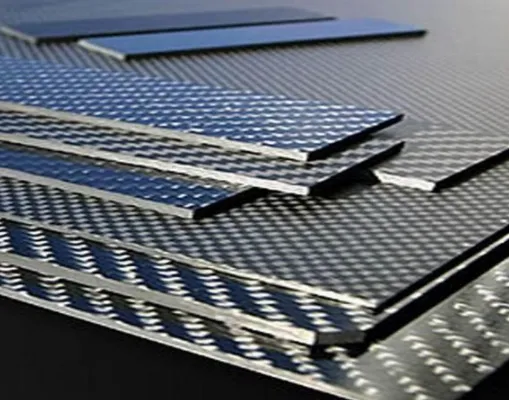
2.1 Compression Molding
Compression molding uses prepreg or SMC materials placed into a heated compression mold, where pressure and temperature shape and cure the part. It is ideal for high-volume automotive production.
2.2 Resin Transfer Molding (RTM)
In RTM, resin is injected into a closed mold containing dry carbon fibers. This process ensures excellent surface quality and dimensional accuracy for complex parts.
2.3 Vacuum Infusion
Vacuum infusion uses vacuum pressure to draw resin into fiber layers. It is suitable for large composite structures and offers cost-effective production.
2.4 Autoclave Molding
Autoclave molding provides high-pressure and high-temperature curing, producing aerospace-grade carbon fiber components with superior mechanical properties.
3. Key Materials in Carbon Fiber Molding
- Carbon Fiber Reinforcement: Woven fabrics, unidirectional fibers, and chopped fibers
- Resin Systems: Epoxy, polyester, vinyl ester, and thermoplastic resins
- Core Materials: Foam or honeycomb structures for lightweight sandwich panels
The combination of these materials determines the mechanical strength, durability, and thermal performance of the final product.
4. Carbon Fiber Mold Design Considerations
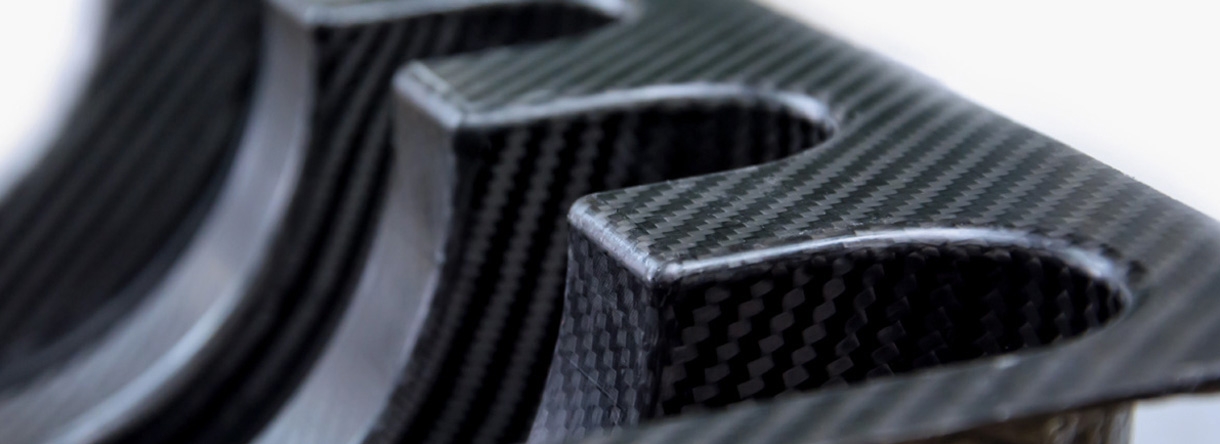
4.1 Mold Material Selection
Tool steel, aluminum, and composite molds are selected based on production volume, cost, and performance requirements.
4.2 Thermal Management
Efficient heating and cooling systems ensure uniform curing and reduced cycle time.
4.3 Surface Finish
High-polish mold surfaces are required to achieve Class-A surface quality for visible parts.
4.4 Demolding Design
Proper draft angles and release systems prevent defects and ensure smooth part removal.
5. Advantages of Carbon Fiber Molding
- Lightweight: Significantly reduces vehicle weight
- High Strength: Excellent structural performance
- Corrosion Resistance: Suitable for harsh environments
- Design Flexibility: Enables complex geometries
- Fatigue Resistance: Long service life
6. Applications of Carbon Fiber Molding
- Automotive: Body panels, EV battery enclosures, structural parts
- Aerospace: Aircraft structures and interior components
- Sports Equipment: Bicycle frames, rackets, and performance gear
- Medical: Prosthetics and imaging equipment

7. Challenges in Carbon Fiber Molding
- High material and tooling costs
- Complex manufacturing processes
- Longer production cycles
- Recycling challenges for thermoset composites
8. Quality Control in Carbon Fiber Manufacturing
- Fiber orientation inspection
- Resin distribution control
- Non-destructive testing (NDT)
- Dimensional accuracy verification
9. Future Trends in Carbon Fiber Molding
- Thermoplastic carbon fiber for recyclability
- Automated fiber placement (AFP)
- Out-of-autoclave (OOA) technologies
- AI-driven process optimization
- Sustainable composite manufacturing
Conclusion
Carbon fiber molding is a transformative technology that enables lightweight, high-strength, and high-performance components across multiple industries. From automotive to aerospace, its applications continue to expand.
At SUASE, investing in advanced carbon fiber mold design, composite tooling, and precision manufacturing ensures superior product quality and long-term competitiveness in the global market.