
Quick Answer:
Carbon fiber molds are precision-engineered tools used in carbon fiber autoclave molding and carbon fiber compression molding processes. They enable the production of lightweight, high-strength, and heat-resistant composite components widely used in aerospace, automotive, and industrial sectors.
In the era of lightweight engineering and high-performance materials, carbon fiber mold technology has become a core manufacturing solution. From carbon fiber mold design to carbon fiber mold manufacturing and carbon fiber mold machining, each stage directly impacts product precision, durability, and production efficiency.
Professional carbon fiber mold manufacturers continuously innovate in tooling structures, thermal control systems, and processing technologies to meet the strict requirements of advanced composite industries.
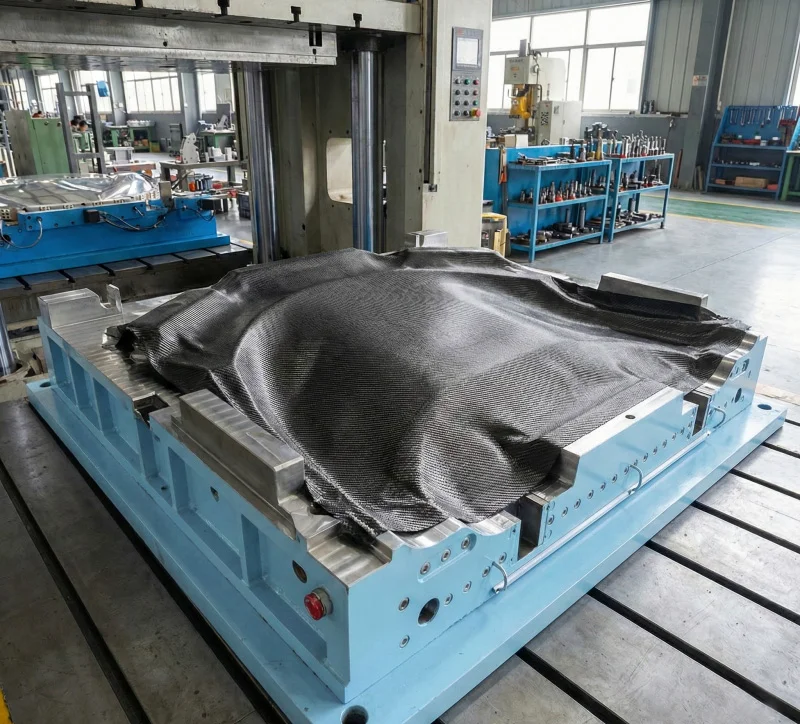
What is Carbon Fiber Autoclave Molding?
Carbon fiber autoclave molding is a high-end composite manufacturing process in which prepreg materials are cured under vacuum, heat, and pressure inside an autoclave.
- Vacuum removes air and voids
- High pressure improves fiber consolidation
- Precise temperature ensures full curing
Definition: Carbon fiber autoclave molding is a controlled composite forming process using vacuum, heat, and pressure to produce high-strength, low-defect structural components.
Carbon Fiber Mold Types
1. Carbon Fiber Autoclave Mold
Carbon fiber autoclave molds are designed for extreme conditions, requiring:
- High temperature resistance
- Low thermal expansion
- High structural rigidity
2. Carbon Fiber Compression Mold
Carbon fiber compression molds are used in high-efficiency production, especially for automotive and industrial parts.
Carbon Fiber Mold Design
Carbon fiber mold design is critical to ensuring dimensional accuracy and product performance. Key design factors include:
- Thermal expansion matching
- Structural stiffness and deformation control
- Surface finish optimization
- Release angles and demolding systems
Advanced simulation tools (CAD/CAE) are widely used to optimize carbon fiber mold process and predict performance under autoclave conditions.
Carbon Fiber Mold Manufacturing and Machining
The carbon fiber mold manufacturing process involves high-precision steps:
- Material Selection – steel, aluminum, or composite tooling
- CNC Machining – precision shaping
- Surface Treatment – polishing and coating
- Assembly & Testing
Advanced carbon fiber mold machining technologies ensure high accuracy, durability, and repeatability in production.
Carbon Fiber Mold Process Advantages
- Lightweight with High Strength
- Excellent Heat Resistance
- Superior Dimensional Stability
- High Surface Quality
- Long Service Life
Applications of Carbon Fiber Molding
- Aerospace: structural components
- Automotive: lightweight body parts
- Energy: wind energy components
- Industrial: high-performance equipment
Carbon Fiber Autoclave Molding vs Compression Molding
| Process | Autoclave Molding | Compression Molding |
|---|---|---|
| Precision | Very High | High |
| Cost | High | Medium |
| Production Volume | Low to Medium | High |
How to Choose a Carbon Fiber Mold Manufacturer
- Experience in carbon fiber mold design and processing
- Advanced CNC machining capabilities
- Autoclave process expertise
- Engineering support and simulation capability
- Proven project experience
Future Trends in Carbon Fiber Mold Technology
- Smart tooling with temperature sensors
- Automation and digital manufacturing
- Advanced composite tooling materials
- Low-carbon and sustainable production
Conclusion
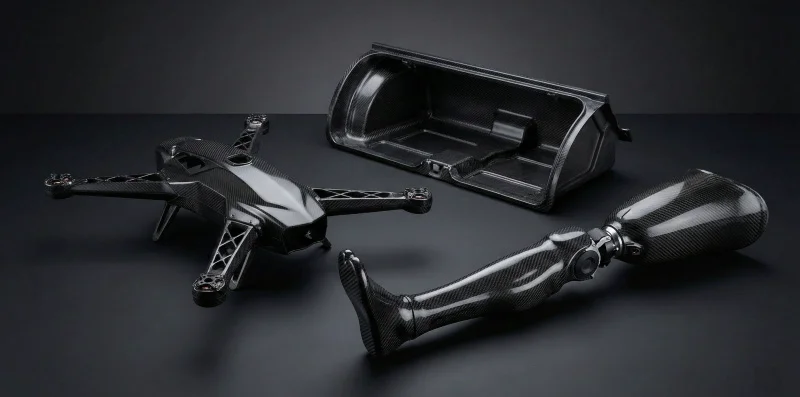
Carbon fiber molds, including carbon fiber autoclave molds and carbon fiber compression molds, are essential for modern composite manufacturing. With continuous innovation in carbon fiber mold design, manufacturing, and machining, manufacturers can achieve superior performance, efficiency, and reliability.
Key Insight: Carbon fiber mold technology integrates precision engineering, advanced materials, and controlled processes to deliver lightweight, high-strength composite components for demanding industries.
FAQ
What is a carbon fiber autoclave mold?
A carbon fiber autoclave mold is a high-temperature resistant mold used to cure composite materials under pressure and heat.
What is the advantage of carbon fiber molds?
They provide high strength, low weight, excellent thermal stability, and superior surface finish.
Which industries use carbon fiber molding?
Aerospace, automotive, energy, and industrial manufacturing sectors widely use carbon fiber molding.