
As modern construction and interior industries continue moving toward modular construction, prefabricated architecture, and integrated sanitary solutions, traditional bathroom manufacturing is undergoing a major transformation.
Today, manufacturers are no longer focusing only on individual products such as SMC shower tray molds,
Driven by advances in SMC composite materials, compression molding technology, and precision bathroom mold manufacturing, integrated bathroom systems are becoming increasingly important in:
- Hotels and hospitality projects
- Prefabricated buildings
- Residential apartments
- Medical facilities
- Commercial construction
- Marine and RV interiors
- Modular housing systems
The Evolution of SMC Bathroom Manufacturing
Traditional bathroom manufacturing often relied on separate materials and independently assembled components, including:
- Ceramic sanitary products
- Acrylic bathtubs
- Metal structural frames
- PVC wall panels
- Stone countertops
However, these traditional manufacturing methods often involve:
- High installation complexity
- Heavy structural weight
- Poor integration efficiency
- Moisture-related durability issues
- Long construction cycles
- Difficult maintenance processes
With the rapid development of SMC bathroom manufacturing, the industry is shifting toward lightweight, highly integrated, and factory-prefabricated bathroom solutions.
What Are Integrated Bathroom Systems?
An integrated bathroom system combines multiple bathroom functional components into a coordinated modular structure manufactured using advanced composite technologies.
Instead of producing isolated bathroom products separately, modern manufacturers increasingly integrate:
- SMC shower trays
- SMC bathtubs
- Bathroom wall panels
- Wash basins and vanity tops
- Storage systems
- Decorative interior structures
- Waterproof composite panels
These integrated systems provide:
- Faster installation
- Improved waterproof performance
- Higher structural consistency
- Reduced labor costs
- Enhanced aesthetics
- Longer service life
Why SMC Materials Are Transforming Bathroom Manufacturing
Among various composite materials, SMC (Sheet Molding Compound) has become one of the most important materials in modern bathroom composite manufacturing.
SMC materials offer a unique combination of:
- High strength
- Lightweight performance
- Water resistance
- Corrosion resistance
- Mold resistance
- Design flexibility
- Excellent surface finish
These advantages make SMC highly suitable for manufacturing:
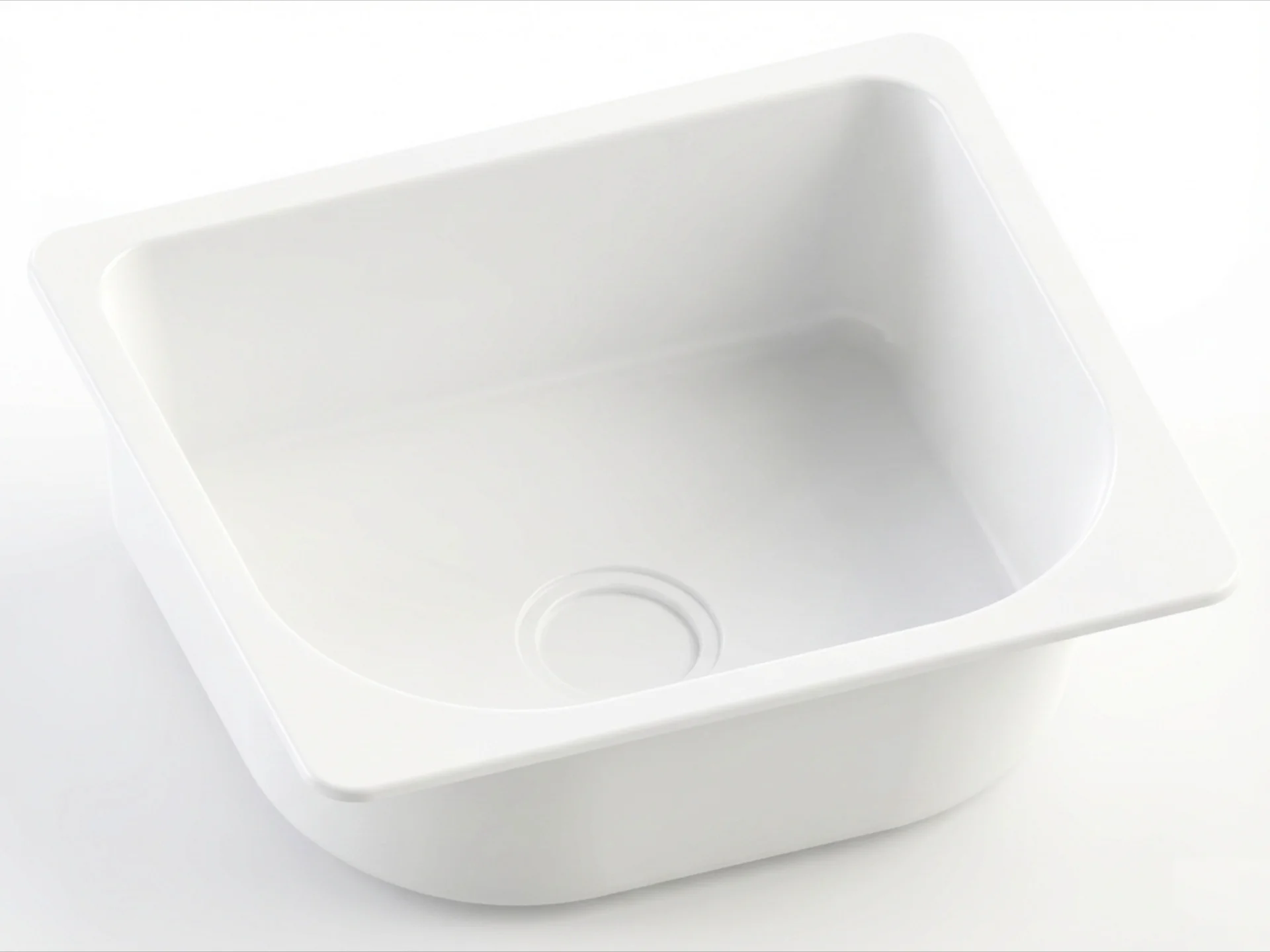
- SMC shower bases
- SMC bathtubs
- Bathroom wall panel systems
- Integrated sanitary modules
- Wash basin structures
- Composite bathroom furniture
SMC Shower Tray Molds for Modern Bathroom Systems
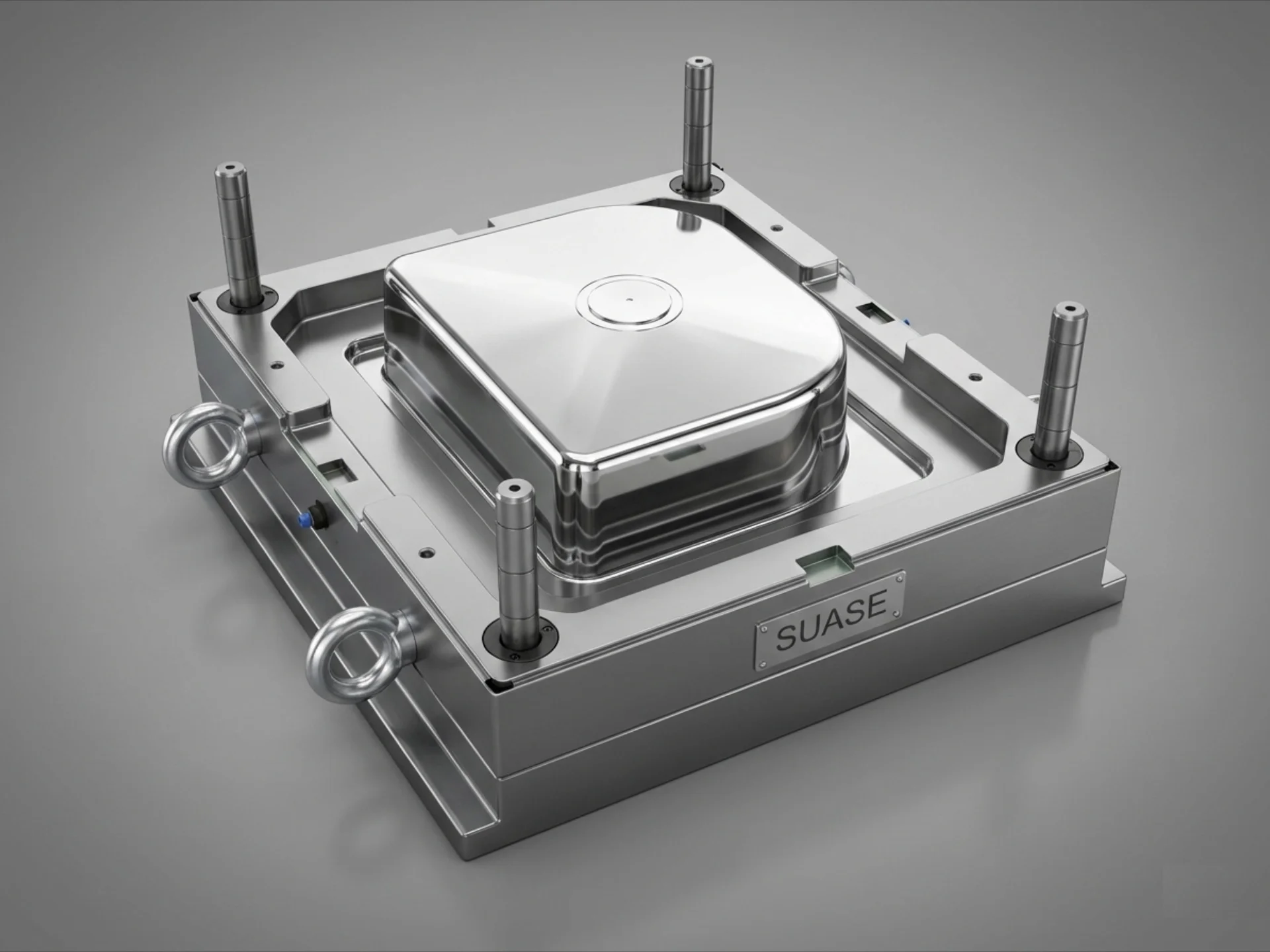
The SMC shower tray mold remains one of the core tools in integrated bathroom manufacturing.
Modern shower tray systems require:
- Precise drainage design
- High load-bearing strength
- Anti-slip surface textures
- Waterproof structural stability
- Dimensional consistency
Advanced compression molding technology allows manufacturers to produce lightweight and durable shower trays with:
- Smooth surface quality
- High production efficiency
- Reduced deformation
- Excellent structural performance
SMC Bathtub Molds and Lightweight Composite Bathtubs
Compared with traditional ceramic or acrylic products, SMC bathtubs provide improved lightweight performance and enhanced structural durability.
Modern SMC bathtub molds are designed to achieve:
- Complex curved surfaces
- Integrated reinforcement structures
- High-gloss surface finishes
- Stable dimensional precision
- Efficient mass production
Lightweight composite bathtubs are increasingly used in:
- Hotels
- Luxury apartments
- Modular housing
- Marine interiors
- RV bathroom systems
Bathroom Wall Panel Molds for Integrated Interior Spaces
Modern bathroom spaces increasingly rely on composite bathroom wall panel systems rather than traditional ceramic tile installation.
Advanced bathroom wall panel molds enable the production of:
- Large integrated wall panels
- Decorative composite surfaces
- Waterproof modular wall systems
- Stone-texture composite panels
- Lightweight interior structures
Compared with conventional wall finishing methods, composite wall panel systems provide:
- Faster installation
- Lower maintenance costs
- Improved waterproof performance
- Reduced mold growth
- Higher design flexibility
Compression Molding Technology in Bathroom Manufacturing
The rapid development of compression molding technology has significantly improved the production efficiency of SMC sanitary ware molds and composite bathroom products.
Compression molding offers several key advantages:
- High dimensional accuracy
- Stable mass production capability
- Excellent surface finish
- Reduced material waste
- Shorter production cycles
- Improved structural consistency
Modern compression molding technology is widely used for manufacturing:
- SMC shower tray systems
- Composite bathtubs
- Bathroom wall panels
- Wash basin structures
- Integrated bathroom assemblies
Precision Mold Engineering for SMC Bathroom Products
High-quality bathroom composite products depend heavily on precision bathroom mold manufacturing.
Advanced mold engineering technologies include:
- High-speed CNC machining
- Precision surface polishing
- Complex cavity machining
- Large-scale mold manufacturing
- Integrated tooling systems
Precision mold manufacturing directly affects:
- Product dimensional accuracy
- Surface appearance quality
- Production efficiency
- Mold service life
- Product structural stability
The Future of Integrated Composite Bathroom Systems
As the global construction industry increasingly adopts:
- Modular construction
- Prefabricated housing
- Smart interior systems
- Lightweight architectural solutions
The demand for integrated SMC bathroom systems will continue to grow rapidly.
Future bathroom manufacturing trends will focus on:
- Large integrated composite structures
- Smart manufacturing automation
- Eco-friendly composite materials
- Lightweight modular systems
- Customized surface textures
- High-efficiency compression molding
Conclusion
The bathroom industry is evolving from isolated sanitary products toward highly integrated SMC bathroom systems driven by advanced composite technologies and precision mold engineering.
From SMC shower tray molds and SMC bathtub molds to bathroom wall panel molds and integrated sanitary structures, modern bathroom manufacturing increasingly relies on:
- Composite materials
- Compression molding technology
- Large integrated structures
- Precision mold manufacturing
- Lightweight waterproof systems
As integrated construction and modular architecture continue developing worldwide, SMC composite bathroom solutions will play an increasingly important role in the future of modern sanitary space manufacturing.