
Automotive component manufacturing is developing toward lightweighting, electrification, integration, and high-quality mass production. Whether for automotive exterior parts, composite material cover parts, new energy vehicle battery covers, or structural support components, molds directly affect product dimensions, surface quality, molding stability, and production efficiency.
With the increasing application of SMC, BMC, GMT, and other composite materials in the automotive field, the development of automotive molds is no longer limited to traditional metal processing and plastic molding. For different materials and product structures, manufacturers need to select appropriate mold types, molding processes, and equipment configurations.
SUASE focuses on the design and manufacturing of composite material molds and related molding equipment, with business covering thermosetting compression molds, thermoplastic compression molds, high-end injection molds, and related tooling. Starting from automotive component applications, this article introduces the main types of automotive molds, mold development, design and manufacturing, quotations, and key points of project verification.
1. What Types of Automotive Molds Are There?
Automotive molds are not a single product category. Different automotive components differ significantly in materials, structures, dimensions, appearance, and production methods, so different mold solutions are required.
For automotive component manufacturers, the mold route should first be determined based on materials and molding processes, rather than selecting molds solely based on part names.
Main Types and Applications of Automotive Molds
| Mold Type | Main Molding Process | Typical Automotive Applications | Key Engineering Considerations |
|---|---|---|---|
| Automotive Compression Mold | Compression Molding | SMC cover parts, exterior parts, battery covers, and composite material components | Material flow, temperature, venting, parting surface, demolding, and dimensional stability |
| SMC Automotive Mold | SMC Compression Molding | Automotive front-end components, exterior panels, structural covers, and other composite material parts | Charge pattern layout, surface quality, curing shrinkage, fiber distribution, and flash control |
| Automotive Injection Mold | Injection Molding | Plastic interior parts, functional parts, connectors, and some appearance parts | Runner system, cooling, venting, shrinkage, warpage, and ejection |
| Automotive Thermoplastic Compression Mold | Thermoplastic Compression Molding | GMT, LFT, and other thermoplastic composite material components | Material preheating, transfer, compaction, cooling, and dimensional control |
| RTM and HP-RTM Molds | Resin Transfer Molding | Some fiber-reinforced composite automotive structural parts | Resin flow, injection pressure, sealing, venting, and curing control |
| Automotive Leaf Spring Related Molds | Determined by product material | Composite leaf springs and related molded components | Layup or material placement, molding pressure, curing conditions, and product structure requirements |
It should be noted that automotive compression molds and automotive injection molds belong to different process routes. SMC compression molding uses sheet molding compound that is formed under pressure in a heated mold, while injection molding usually feeds molten plastic into the cavity through a screw plasticizing and injection system. The two differ significantly in mold structure, material flow, equipment interfaces, and process control.
Therefore, professional automotive mold manufacturers should determine solutions based on product materials and production processes, avoiding confusion between the technical requirements of different processes.
2. Automotive Compression Molds: Core Tooling for Composite Automotive Components
Automotive compression molds are mainly used to complete molding of materials in the mold cavity through pressure and temperature. For SMC, BMC, and some thermoplastic composites, molds not only determine the geometric shape of the part but also participate in controlling material flow, curing, or cooling processes.
Compared with ordinary metal processing tooling, automotive compression molds need to simultaneously consider product structure, material characteristics, equipment parameters, and mass production conditions.
Main Design Factors of Automotive Compression Molds
- Product geometry: Including curved surfaces, reinforcing ribs, mounting points, hole locations, flanges, and local thickness variations.
- Material flow: Flow paths and filling conditions need to be evaluated based on material characteristics and charge placement.
- Temperature control: Heating systems and temperature monitoring solutions should be designed according to material curing or molding requirements.
- Venting design: Reasonably arrange vent locations to reduce air entrapment and related molding defects.
- Parting surface design: Balance product appearance, sealing, flash control, and subsequent trimming requirements.
- Demolding solution: Design ejection or assisted demolding methods according to part structure, draft conditions, and molding material.
- Press matching: Confirm mold dimensions, shut height, table size, tonnage, and other equipment interfaces.
Why Do Automotive Compression Molds Need to Be Developed in Sync with the Product?
If mold design only focuses on product shape without fully considering materials and production processes, problems such as insufficient filling, local flash, surface defects, deformation, or demolding difficulties may be exposed during mold trials.
These problems may not necessarily be solved by simply adjusting press parameters. Some defects may be related to product structure, material placement position, parting surface, or the mold design itself.
Therefore, automotive compression mold development should start from product data and molding conditions, and necessary structural reviews and process evaluations should be conducted before mold manufacturing.
3. SMC Automotive Molds: Mold Solutions for Automotive Lightweight Cover Parts
SMC (Sheet Molding Compound) is a common fiber-reinforced thermosetting composite material. It usually consists of a resin system, reinforcing fibers, fillers, and other additives, and is used to manufacture composite material components with complex shapes through compression molding.
In the automotive industry, SMC can be used for some exterior parts, cover parts, and structural components. For automotive SMC cover part molds, manufacturers need to focus on appearance quality, structural stiffness, dimensional accuracy, and mass production stability at the same time.
Typical Applications of SMC Automotive Molds
- Automotive front-end cover parts and related exterior components;
- SMC automotive spoilers and decorative exterior components;
- Automotive battery box covers and battery pack upper covers;
- Commercial vehicle step covers and other composite exterior components;
- Automotive interior and exterior composite cover panels;
- Other lightweight components that need to be manufactured through compression molding.
Engineering Focus of Automotive SMC Cover Part Molds
Automotive cover parts usually have large molding surfaces and complex curved structures. Some products also need to meet high appearance requirements, so mold design must balance product surface, surface replication, material flow, and dimensional control.
| Product or Process Risk | Possible Causes | Mold Engineering Response Direction |
|---|---|---|
| Surface defects | Mismatch in material distribution, venting, mold surface condition, or process conditions | Evaluate charge pattern layout, vent locations, cavity surface, and molding conditions |
| Local insufficient filling | Material flow path too long or local structure too complex | Evaluate charge placement and flow paths in conjunction with product structure |
| Dimensional deviation | Material shrinkage, temperature differences, or insufficient product structural stiffness | Evaluate shrinkage compensation, mold structure, and molding process |
| Abnormal flash | Improper parting surface fit, clamping condition, or material placement | Check parting surface, mold fit, and process window |
| Demolding difficulty | Insufficient draft conditions, local undercuts, or material shrinkage gripping | Evaluate demolding direction, draft angle, and assisted demolding structures |
For Class A appearance surfaces, mold surface machining, polishing, and texture treatment also need to be determined according to customer appearance specifications. The final part cannot be judged solely by the glossiness of the mold surface as necessarily achieving the specified appearance grade.
Learn about SUASE's related automotive SMC cover part cases: SMC Commercial Vehicle Step Cover Mold Case.
4. New Energy Vehicle Battery Cover Molds: Development Requirements for Large Composite Components
With the development of new energy vehicle battery systems, battery covers and battery box related components place higher requirements on structural design, dimensional matching, material performance, and production consistency.
For battery covers manufactured with composite materials such as SMC, molds need to be custom-developed according to product dimensions, structural features, mounting interfaces, and production equipment.
What Issues Need to Be Considered in Battery Cover Molds?
- Large cavity structure: Ensure that key product areas and mounting interfaces meet design requirements.
- Material filling: Evaluate material flow for reinforcing ribs, edges, and local thickness variations.
- Dimensional matching: Focus on assembly relationships with the battery pack, sealing structures, and surrounding components.
- Mold stiffness: Design the structure according to mold dimensions, working pressure, and press conditions.
- Temperature management: Evaluate the heating system and temperature distribution in conjunction with material process requirements.
- Batch stability: Ensure the mold can support the customer-specified production takt and quality requirements.
For new energy vehicle battery cover molds, material flame retardancy, insulation, heat resistance, and other safety performance requirements should be defined by product design and material specifications. Mold manufacturers need to ensure that the mold solution matches the specified material and molding process, but the mold itself cannot be equated with the safety performance certification of the final product.
Related SUASE cases:
- Passenger Vehicle New Energy Vehicle Battery Pack Upper Cover SMC Compression Mold
- Commercial Vehicle SMC Battery Box Cover Mold
The above cases can serve as references for different automotive battery cover mold projects. Specific mold structures, material configurations, and equipment requirements still need to be confirmed according to the product data of new projects.
5. Automotive Exterior Part Molds: Product Surface and Structure Need Collaborative Design
Automotive exterior parts include components made from various materials and manufacturing processes. Some parts use injection molding, while some composite exterior parts use SMC or other compression molding processes.
Therefore, automotive exterior part molds are not a fixed mold structure. Mold design needs to first confirm product material, appearance grade, structural function, and production method.
Main Engineering Requirements of Automotive Exterior Part Molds
For parts with large appearance surfaces, the mold cavity surface needs to meet customer-specified surface quality requirements. At the same time, product curvature, parting lines, local reinforcement structures, and mounting interfaces also affect the mold solution.
For composite exterior parts that require painting, the matching relationship between the molded part surface condition and subsequent surface treatment processes should also be considered.
For plastic injection exterior parts, focus should be placed on the runner system, cooling system, shrinkage, and warpage issues. The same set of design standards cannot be directly applied to different processes.
For SUASE's related projects and product applications in the field of automotive exterior part molds, please refer to the existing cases and product pages on the website.

6. Automotive Leaf Spring Molds: First Clarify Material and Molding Route
The development of automotive leaf spring molds requires particular attention to product materials and specific manufacturing methods. Traditional steel leaf springs and composite leaf springs differ significantly in material form, molding process, and mold design requirements.
If the project uses composite leaf springs, mold design may involve fiber material placement, preforming, compaction, curing, and product demolding. The specific solution needs to be determined according to fiber type, resin system, layup structure, and target product performance.
Factors to Evaluate for Composite Leaf Spring Molds
- Structural changes in product cross-section and along the length direction;
- Fiber layup direction and material distribution;
- Molding pressure and curing conditions;
- Mold heating and temperature control methods;
- Product demolding and dimensional stability;
- Matching with subsequent product testing and verification requirements.
For hot forming, stamping, or other metal processing molds for steel leaf springs, the corresponding metal forming process solutions should be used for evaluation. Composite compression mold design methods cannot be directly applied to steel leaf spring production.
7. Automotive Injection Molds: Technical Boundaries with Compression Molds
Automotive injection molds are mainly used for mass molding of plastic components, with common applications including interior parts, functional plastic components, connectors, and some appearance parts.
Compared with SMC compression molds, injection molds usually need to focus on plastic melt flow, runner systems, cooling efficiency, venting, and ejection design.
Key Design Contents of Automotive Injection Molds
- Runner system: Determine gate type, location, and runner solution according to product structure and plastic material.
- Cooling system: Control mold temperature and molding cycle through reasonable cooling circuits.
- Venting system: Reduce risks such as burning and short shots caused by gas entrapment.
- Shrinkage and warpage: Evaluate in conjunction with material shrinkage characteristics and product structure.
- Ejection system: Avoid deformation, whitening, or local damage during ejection.
- Mold maintenance: Consider the long-term service condition of sliders, lifters, guides, and other moving structures.
For automotive component buyers, the process differences between injection molds and compression molds should be clarified, and then a suitable manufacturer should be selected according to product materials and output.
8. Automotive Lightweight Molds: From Product Materials to Mold Solutions
Automotive lightweighting is not simply reducing part weight, but optimizing materials and component structures while meeting product function, structural strength, durability, and safety requirements.
Composite materials provide multiple technical routes for automotive lightweighting, including SMC compression molding, GMT/LFT thermoplastic compression molding, RTM, and other composite molding processes.
Automotive Lightweight Materials and Mold Routes
| Material or Technical Route | Typical Molding Method | Mold Development Focus | Project Evaluation Focus |
|---|---|---|---|
| SMC | Thermosetting compression molding | Heating, venting, parting surface, material flow, and demolding | Appearance, dimensions, structure, and production stability |
| BMC | Thermosetting compression molding | Material filling, venting, cavity structure, and insert positioning | Complex structures, dimensions, and surface quality |
| GMT | Thermoplastic compression molding | Preheated material positioning, compaction, cooling, and demolding | Molding consistency, structural stiffness, and production takt |
| LFT | Thermoplastic composite molding | Material distribution, flow, compaction, and cooling | Fiber distribution, dimensions, and product performance |
| RTM / HP-RTM | Resin transfer molding | Resin injection, flow, sealing, venting, and curing | Impregnation quality, porosity control, and product consistency |
| Injection molding materials | Plastic injection molding | Pouring, cooling, venting, and ejection | Dimensions, appearance, cycle time, and batch stability |
The choice of materials and processes should be jointly determined by product performance targets, production quantity, part structure, cost, and customer technical specifications. Mold manufacturers need to participate in evaluation early in product development to avoid discovering that the mold structure and production conditions do not match after the material route has been determined.
9. Automotive Mold Custom Development: From Product Data to Mold Manufacturing
Automotive mold customization projects usually need to go through stages such as product data analysis, process evaluation, mold design, machining and manufacturing, assembly, and mold trials. For complex composite components, mold development also needs to fully consider material characteristics and press conditions.
Phase 1: Product and Process Evaluation
Before mold design, product material, part structure, production quantity, appearance grade, and functional requirements need to be confirmed.
For SMC and other composite components, material placement, flow direction, shrinkage deformation, demolding direction, and manufacturability of local structures also need to be evaluated.
Phase 2: Mold Structure Design
Determine the mold structure according to product data and process solutions, including cavity, core, parting surface, guiding, heating system, venting structure, and auxiliary mechanisms.
During the design process, mold mounting method, press table size, shut height, opening stroke, and related equipment interfaces should also be considered.
Phase 3: Mold Machining and Manufacturing
Mold machining needs to arrange rough machining, semi-finish machining, finish machining, drilling, electrical machining, and surface treatment processes according to structural complexity and precision requirements.
For large automotive molds, manufacturers also need to focus on mold datums, machining deformation, assembly fit, and machining accessibility of large parts.
Phase 4: Mold Assembly and Process Preparation
After mold machining is completed, structural assembly, moving part inspection, heating or other system inspection need to be carried out, and mold trials prepared according to project requirements.
Phase 5: Mold Trial and Problem Optimization
The purpose of mold trials is not only to confirm that the mold can close and produce parts but also to verify whether the molding process and mold structure meet product requirements.
During mold trials, it is necessary to determine based on actual results whether problems come from product design, materials, mold structure, or process parameters, and to form corresponding optimization measures.
10. Automotive Compression Mold Quotation: What Technical Information Needs to Be Provided?
Automotive compression mold quotations depend on mold dimensions, materials, structural complexity, machining requirements, press matching, and project delivery scope. For custom molds, providing only a product name or approximate dimensions is usually insufficient to form an accurate quotation.
Automotive Mold RFQ Information Checklist
| Information Category | Suggested Information to Provide |
|---|---|
| Product Data | 2D drawings, 3D models, product photos, or existing samples |
| Material Information | SMC, BMC, GMT, LFT, plastic, or other specified materials |
| Product Requirements | Key dimensions, tolerances, appearance grade, weight, and functional requirements |
| Production Conditions | Estimated output, production takt, target mold life, and production plan |
| Press Parameters | Press tonnage, table size, shut height, opening stroke, and interfaces |
| Mold Requirements | Mold steel, number of cavities, heating method, surface treatment, and other special requirements |
| Verification Standards | Trial material, sample quantity, dimensional inspection, performance testing, and acceptance specifications |
| Delivery Requirements | Mold lead time, transportation method, technical documents, and after-sales service scope |
What Are the Main Components of an Automotive Mold Quotation?
- Mold material and standard part costs;
- Mold structure design and engineering development costs;
- CNC machining, electrical machining, and other manufacturing process costs;
- Mold heat treatment and surface treatment costs;
- Assembly, debugging, and mold trial costs;
- Inspection, documentation, packaging, and transportation costs;
- Customer-specified special processes or project service fees.
When comparing quotations from different automotive compression mold manufacturers, it should be confirmed whether the quotation includes design, machining, assembly, mold trials, rectification, and final delivery. Comparing only a total price may ignore differences in the work scope included in each quotation.
11. Automotive Mold Trial, Acceptance, and Repair: Ensuring Long-Term Production Stability
Mold trials and acceptance of automotive molds are important links in project development. For compression molds, the verification scope usually needs to be determined in conjunction with materials, product structure, and customer acceptance standards.
Focus Points of Automotive Compression Mold Trials
- Material placement and filling condition;
- Product surface and local molding quality;
- Flash and parting surface condition;
- Whether demolding is smooth;
- Key dimensions and mounting interfaces;
- Product weight and batch consistency;
- Actual production takt and process stability.
For automotive injection molds, the focus of mold trials should be adjusted according to the injection molding process, including short shots, flash, sink marks, warpage, weld lines, cooling efficiency, and ejection condition.
Automotive Mold Acceptance Standards Should Be Clarified in Advance
Mold acceptance should not be judged solely by the completion of physical mold machining. Customers and manufacturers should clarify product dimensions, appearance, function, production conditions, and acceptance methods at the beginning of the project.
Specific inspection items and allowable deviations should be based on the technical agreement, product drawings, and project standards confirmed by both parties.
Automotive Mold Repair and Maintenance
During long-term use, automotive molds may develop problems such as cavity surface wear, parting surface damage, guide component wear, heating system failure, or changes in local fit precision.
Mold repair should first determine the cause of the problem and then determine the repair scope. For areas involving key product dimensions, appearance surfaces, or molding functions, necessary dimensional inspection and mold trial verification are also required after repair.
Regular inspection, cleaning, and maintenance help reduce unplanned downtime, but the specific maintenance cycle should be formulated according to mold structure, materials, production frequency, and service condition.
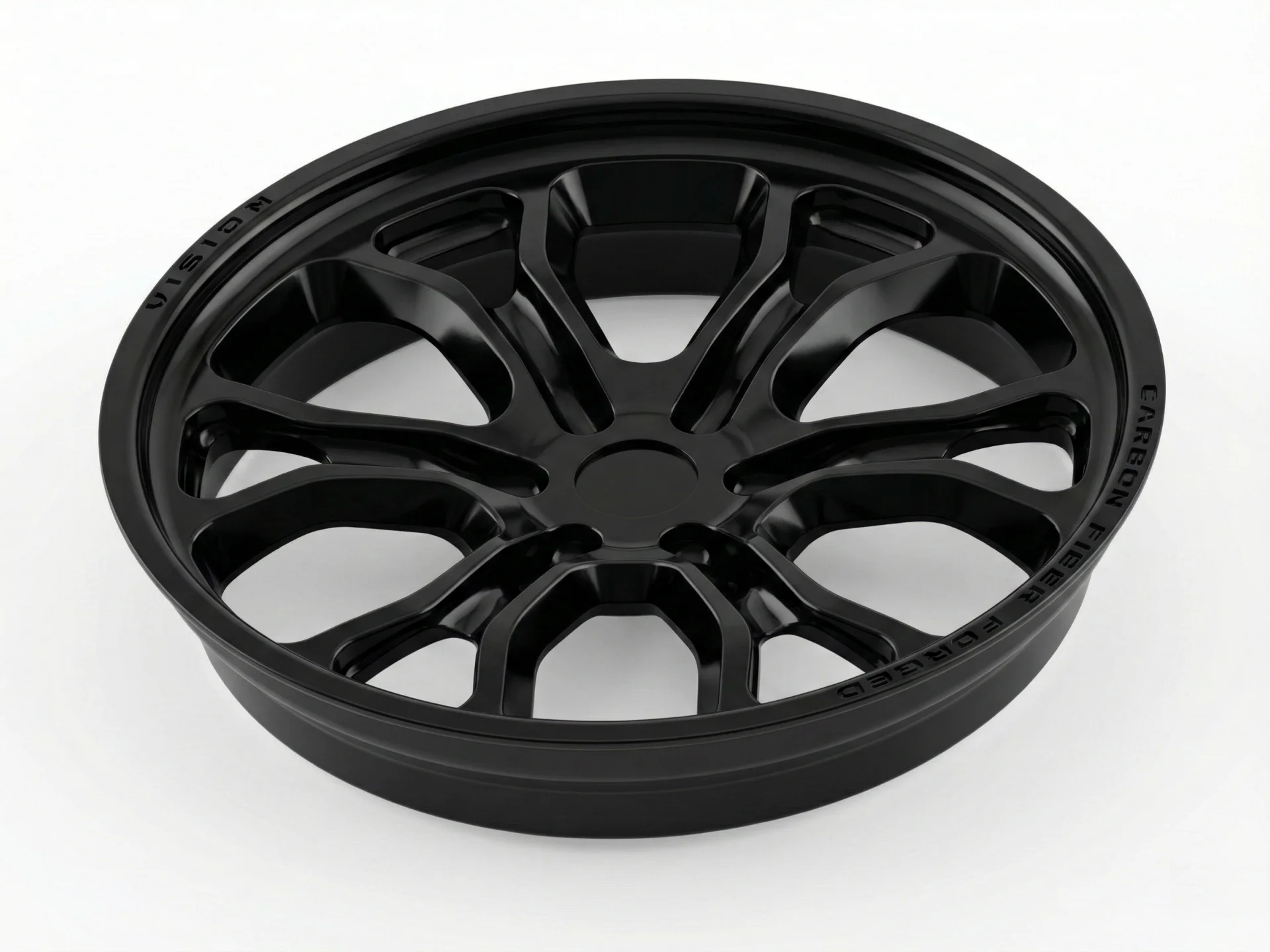 12. How to Choose Automotive Compression Mold Suppliers and Manufacturers?
When choosing automotive compression mold suppliers, buyers should focus on whether they understand the molding requirements of automotive composite components and whether they have complete engineering capabilities from design and machining to mold trials.
Product and Process Understanding Capability
Manufacturers need to understand the processing characteristics of SMC, BMC, GMT, LFT, and other materials, and be able to determine mold structures and process routes according to different materials.
Large Mold Design and Machining Capability
Automotive molds may have large overall dimensions and complex curved structures. Buyers should understand whether the manufacturer's machining equipment, working range, lifting capacity, and assembly conditions meet project requirements.
Press and Production Condition Matching Capability
Molds must match the customer's existing or planned presses. Manufacturers need to confirm press tonnage, table size, shut height, and other interface conditions to avoid the situation where the mold cannot be properly installed or put into production after manufacturing is completed.
Mold Trial and Project Problem-Solving Capability
A reliable automotive mold factory not only needs to complete drawing-based machining but also needs to have the ability to analyze mold trial problems, adjust mold structures, and cooperate with customers to optimize molding processes.
Project Communication and Delivery Management
Automotive mold development usually involves multiple departments such as product engineering, materials, molds, equipment, and quality. Manufacturers should be able to clarify technical inputs, project milestones, change management, and delivery document requirements.
13. SUASE Automotive Mold and Composite Material Mold Manufacturing Capability
SUASE focuses on the design and manufacturing of composite material molds and related molding equipment, with service scope covering thermosetting compression, thermoplastic compression, injection molding, and other composite material molding fields.
For the automotive industry, SUASE's mold application directions include SMC automotive cover parts, automotive exterior parts, new energy vehicle battery covers, and other composite material components.
The company's business covers multiple stages from product data evaluation, mold structure design, precision machining, and assembly to mold trials. For different projects, mold solutions need to be customized according to materials, product structure, customer press conditions, and quality requirements.
References for SUASE Automotive Mold Related Projects
- Passenger Vehicle New Energy Vehicle Battery Pack Upper Cover Mold: SMC material, compression molding process, project case adapted to a 3000T press.
- Commercial Vehicle Battery Box Cover Mold: SMC compression molding project.
- Commercial Vehicle Left and Right Step Cover Mold: SMC compression molded exterior component project.
These cases demonstrate SUASE's mold applications on different automotive composite components. The mold steel, weight, press tonnage, and cavity structure of specific projects should be based on the corresponding cases and actual project technical documents.
If you are looking for an automotive compression mold manufacturer, an SMC automotive mold supplier, or need to develop new energy vehicle battery covers, automotive exterior parts, and other composite material molds, you can submit product drawings and project requirements to SUASE for preliminary technical evaluation.
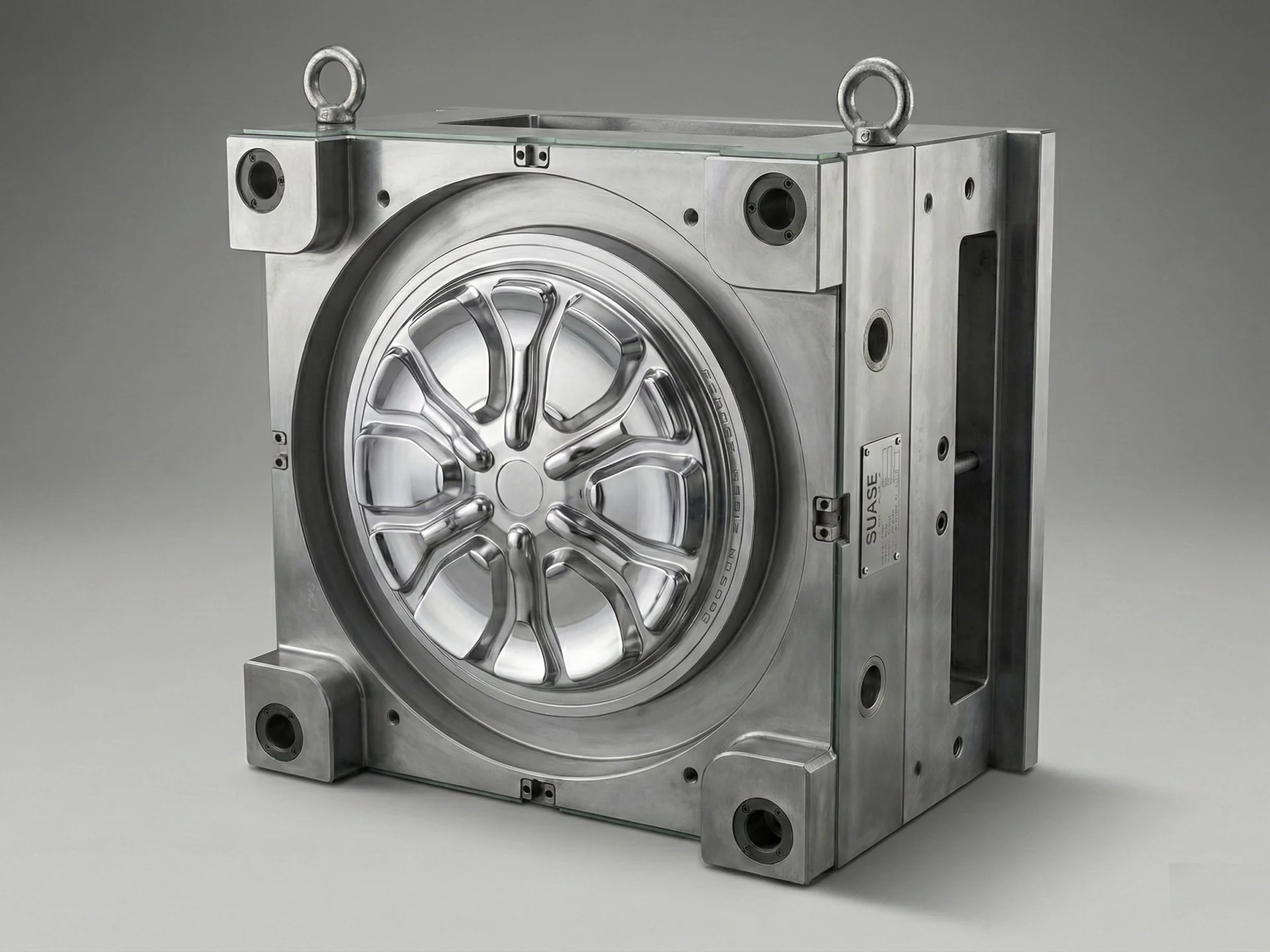 14. Frequently Asked Questions About Automotive Molds (FAQ)
Q1: What are the main types of automotive molds?
Automotive molds include compression molds, injection molds, stamping molds, RTM molds, and other composite material molding molds. The specific choice depends on product material, structure, and production method.
Q2: What is the relationship between automotive compression molds and SMC molds?
SMC molds are one type of automotive compression mold, mainly used for compression molding of sheet molding compound. Automotive compression molds can also be used for BMC, GMT, and other materials suitable for compression molding processes.
Q3: Can automotive compression molds be customized?
Yes. Automotive compression molds are usually custom-developed according to the customer's 2D drawings, 3D models, material requirements, press parameters, product appearance, and production quantity.
Q4: What materials are mainly used for new energy vehicle battery cover molds?
New energy vehicle battery covers can adopt SMC and other composite material routes according to product design. Material selection needs to comprehensively consider structure, weight, flame retardancy, insulation, heat resistance, and customer verification requirements. Molds should match the specified materials and molding processes.
Q5: Are automotive exterior part molds necessarily SMC molds?
No. Automotive exterior parts may use SMC compression molding, injection molding, and other manufacturing processes. The specific mold type should be determined according to the part material and product design.
Q6: How long does it take to get an automotive mold quotation?
The quotation time depends on the completeness of the project information and the technical complexity. Complete 2D drawings, 3D models, materials, press parameters, and production requirements help suppliers complete technical evaluation faster.
Q7: What do automotive mold trials mainly verify?
Mold trials mainly verify the molding condition, product dimensions, surface quality, demolding, flash, product weight, and production stability. The trial items differ for different molding processes.
Q8: How to choose an automotive compression mold manufacturer?
It is recommended to comprehensively evaluate the manufacturer's material and process understanding capability, mold design experience, machining equipment, press matching capability, mold trial conditions, quality management, and project delivery capability, and to confirm whether it is suitable for the specific project through actual cases and technical exchanges.
Conclusion: Choose a Mold Development Solution Suitable for Automotive Components
The choice of automotive molds should start from product materials, structure, production quantity, and quality requirements. Although SMC automotive molds, automotive exterior part molds, new energy vehicle battery cover molds, and automotive injection molds all serve automotive component manufacturing, their process routes and engineering focuses are not the same.
For automotive composite material projects, mold manufacturers need to combine product structure, material characteristics, mold design, machining and manufacturing, and mold trial verification to form a mold solution suitable for mass production.
SUASE provides custom development and manufacturing services for composite material molds and related molding tooling. You are welcome to submit product drawings, material information, and production requirements to discuss technical solutions for automotive mold projects with SUASE.
Project Consultation: Visit the SUASE Official Website