
As the global automotive industry accelerates toward electric vehicles, lightweight engineering, and high-performance composite structures, advanced automotive composite molds are becoming increasingly critical in next-generation vehicle production.
From EV battery tray molds and SMC bumper molds to A-class surface exterior molds, truck front mask molds, and automotive underbody shield molds, modern compression molding technologies are transforming how automotive components are designed, manufactured, and integrated.
At SUASE MOULD, we specialize in advanced:
- SMC automotive molds
- Composite exterior part molds
- Battery enclosure molds
- Automotive compression tooling
- Truck body panel molds
- Carbon fiber automotive molds
- Large structural composite molds
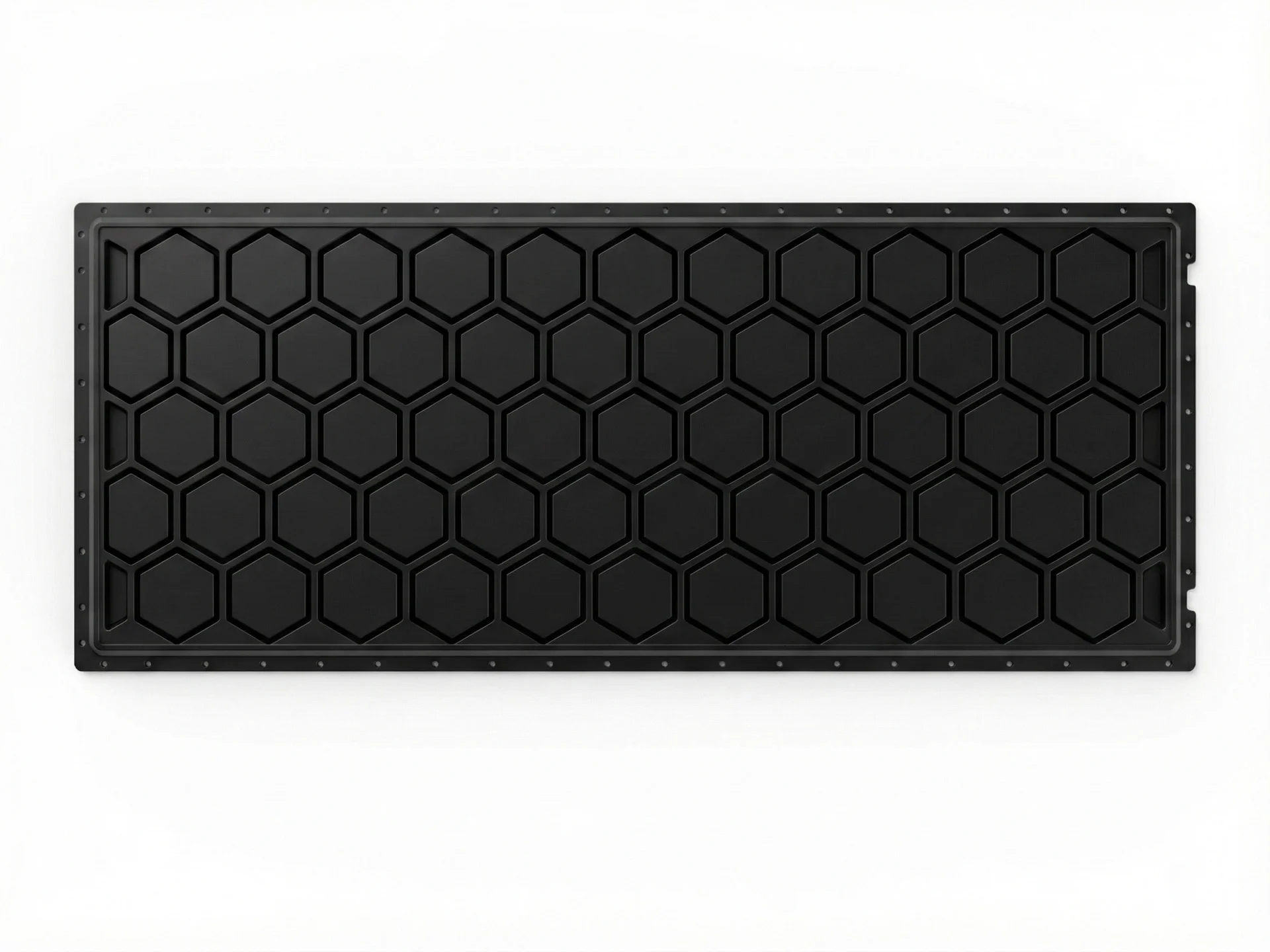
Advanced automotive composite molds enable lightweight vehicle manufacturing through high-strength SMC and FRP composite technologies, helping automakers improve energy efficiency, EV driving range, corrosion resistance, and aerodynamic performance.
The Automotive Industry Is Rapidly Moving Toward Lightweight Manufacturing
Reducing vehicle weight has become one of the most important engineering objectives in modern automotive development.
Lightweight vehicle structures directly influence:
- Electric vehicle driving range
- Battery efficiency
- Fuel economy
- Carbon emission reduction
- Vehicle acceleration performance
- Handling and stability
Traditional steel body structures are increasingly being replaced by:
- SMC composite components
- Glass fiber reinforced plastics
- Carbon fiber automotive parts
- Thermoset composite structures
As a result, demand for high-precision compression molds and automotive composite tooling systems continues expanding globally.
Why Composite Molding Technologies Are Transforming Automotive Manufacturing
1. Lightweight Structural Performance
One of the biggest advantages of automotive composite materials is their exceptional strength-to-weight ratio.
Compared with traditional steel structures, SMC composite parts can significantly reduce component weight while maintaining high structural rigidity.
This provides major advantages for:
- Electric vehicle battery systems
- Commercial truck body panels
- Automotive aerodynamic structures
- Large integrated vehicle components
In many applications, composite automotive parts can reduce overall component weight by 20%–40%.
2. Corrosion Resistance and Durability
Vehicle exterior systems are continuously exposed to:
- Rainwater
- Road salt
- UV radiation
- Mud and debris
- Extreme temperature conditions
Compared with metallic systems, FRP automotive components provide excellent corrosion resistance and long-term environmental durability.
This helps reduce:
- Surface corrosion
- Rust-related failures
- Maintenance frequency
- Long-term repair costs
3. Greater Automotive Design Flexibility
Modern vehicle platforms increasingly require:
- Integrated aerodynamic structures
- Large seamless body panels
- Complex geometric surfaces
- A-class visible exterior finishes
- Multi-functional lightweight components
Advanced SMC automotive molding technologies allow manufacturers to produce highly complex parts while maintaining excellent dimensional precision and surface quality.
Key Automotive Components Produced Using Composite Molds
EV Battery Enclosure and Battery Tray Systems
Electric vehicle growth has significantly increased demand for:
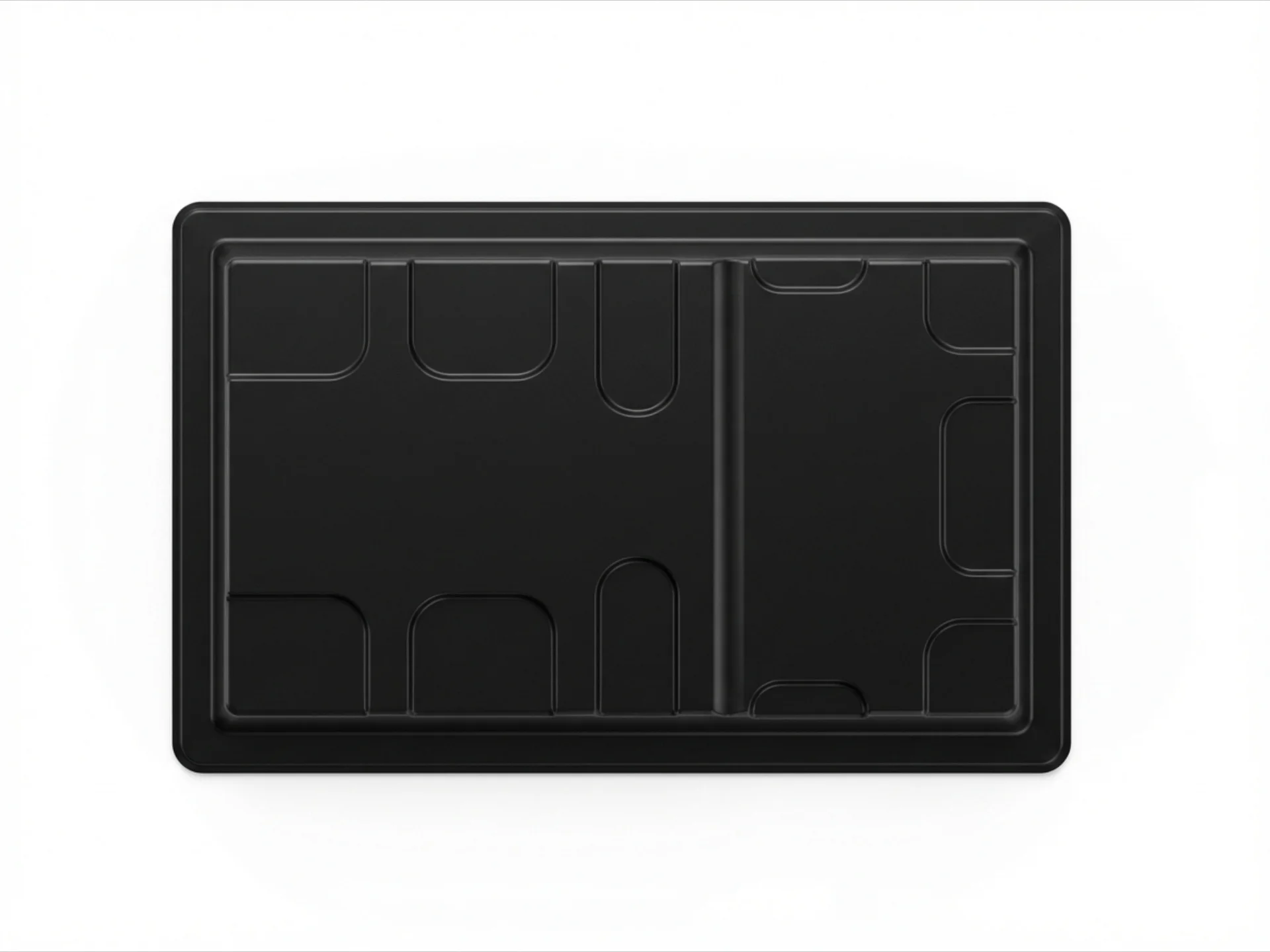
- Battery tray molds
- Battery enclosure molds
- Battery housing tooling systems
- Large integrated EV structural components
Composite battery structures provide:
- Lightweight battery protection
- Electrical insulation performance
- Corrosion resistance
- Improved thermal management
- High structural rigidity
Advanced compression molding technologies are increasingly used for large EV battery enclosure production.
Automotive Exterior Composite Parts
Composite molding systems are widely used in:
- SMC bumper molds
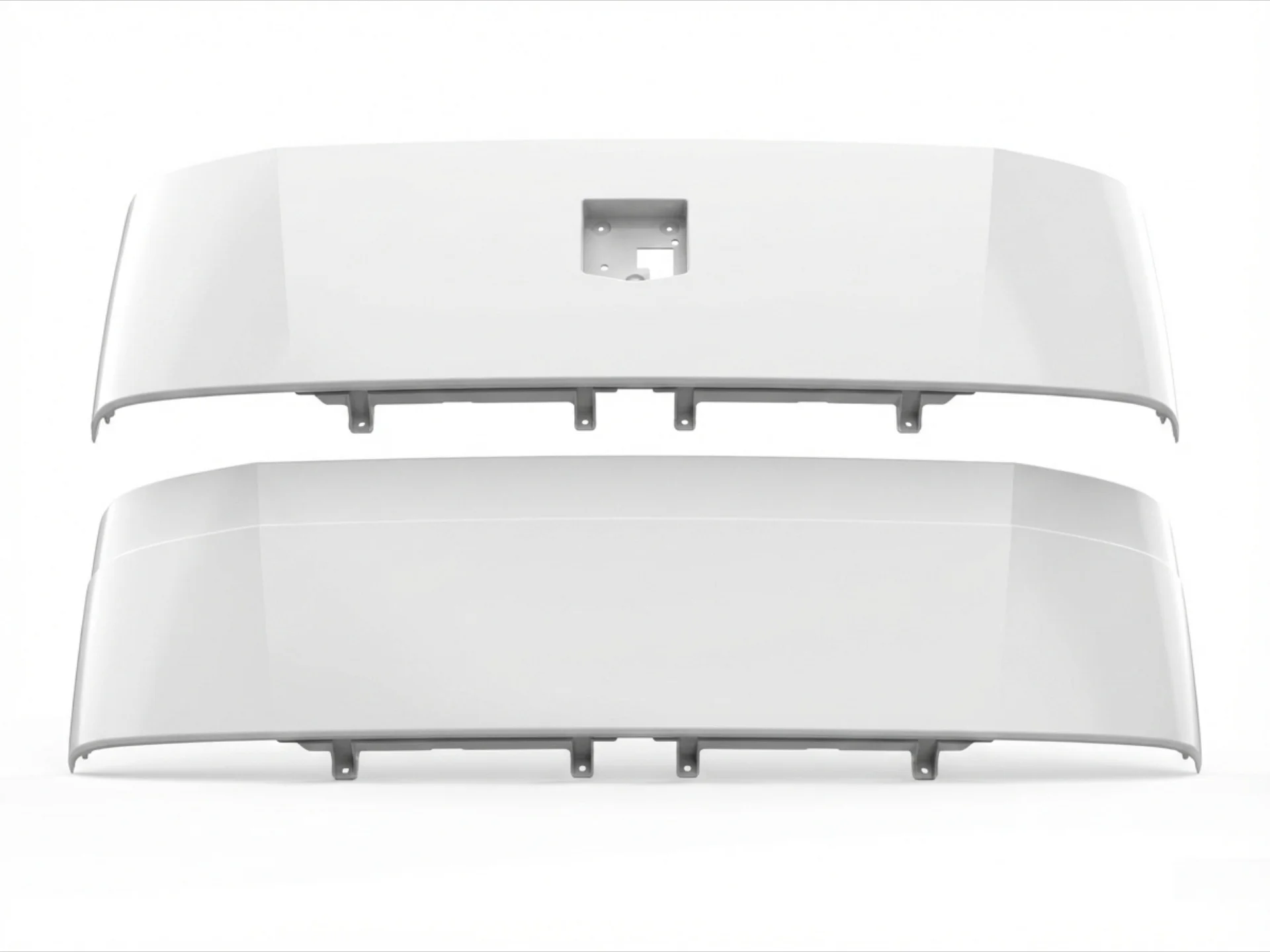
- Truck front mask molds
- Fender molds
- Mudguard molds
- Underbody shield molds
- Front-end module molds
- Automotive hood molds
- Spoiler and aerodynamic cover molds
These lightweight exterior systems help improve:
- Vehicle aerodynamics
- Energy efficiency
- Structural integration
- Overall vehicle appearance
A-Class Surface Automotive Exterior Molds
Automotive exterior surfaces require extremely high visual quality standards.
Advanced A-class surface molds are designed to achieve:
- Mirror-like surface smoothness
- Excellent paint compatibility
- Stable dimensional consistency
- Low shrinkage deformation
- Premium exterior appearance quality
High-precision CNC machining and advanced polishing technologies are essential for premium automotive exterior mold manufacturing.
Automotive Interior Structural Components
Composite molding technologies are also widely applied in automotive interior systems such as:
- Inner door panel molds
- Sun visor molds
- Seat base molds
- Spare wheel cover molds
- Trunk compartment molds
- Step cover molds
These components combine lightweight performance, structural integration, and improved manufacturing efficiency.
The Growing Importance of SMC Automotive Molds
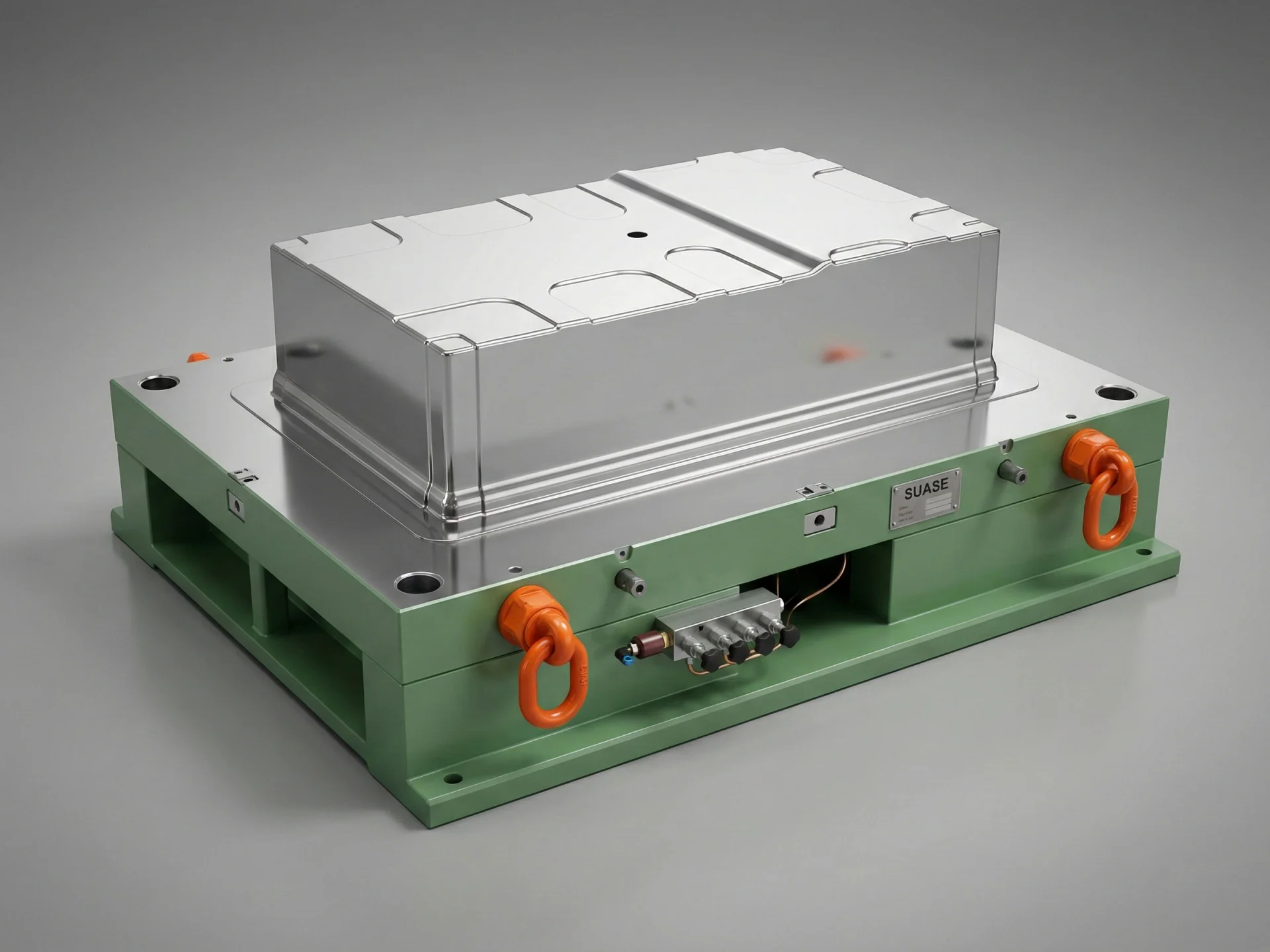
Among modern automotive composite technologies, SMC molding has become one of the most important manufacturing solutions for lightweight vehicle applications.
SMC materials provide:
- High strength-to-weight ratio
- Excellent surface finish quality
- Stable dimensional precision
- Corrosion resistance
- Large-scale production capability
- Thermal stability
As electric vehicle platforms continue evolving, SMC automotive molds are increasingly used for both structural and exterior body systems.
Challenges in Automotive Composite Mold Manufacturing
Manufacturing large automotive composite molds requires advanced engineering capability and extremely high precision.
Major technical challenges include:
- Large-scale CNC machining accuracy
- Thermal deformation control
- Complex surface polishing
- Uniform pressure distribution
- Stable curing conditions
- High-cycle production durability
High-quality automotive tooling directly affects:
- Part surface quality
- Dimensional stability
- Production efficiency
- Demolding performance
- Tooling lifespan
Future Trends in Automotive Composite Manufacturing
The future of automotive manufacturing is closely connected with:
- Large integrated composite structures
- Electric vehicle lightweighting
- Carbon fiber industrialization
- Automated compression molding lines
- Advanced thermoset composites
- Sustainable automotive manufacturing
As EV production continues growing globally, automotive composite tooling technologies will play an increasingly important role in next-generation vehicle engineering.
| Automotive Composite Application | Main Advantages |
|---|---|
| Battery Enclosure Systems | Lightweight, insulation, corrosion resistance |
| SMC Exterior Panels | Excellent surface finish and reduced weight |
| Truck Front Modules | Large integrated structural design |
| Automotive Underbody Shields | Improved aerodynamics and protection |
| A-Class Exterior Parts | Premium appearance quality |
Why Choose SUASE MOULD?
At SUASE MOULD, we provide advanced manufacturing solutions for:
- SMC automotive molds
- Automotive exterior part molds
- Battery tray molds
- Truck front panel molds
- Compression molding tooling systems
- Large structural composite molds
- Advanced automotive composite tooling
Our engineering and manufacturing capabilities include:
- Large-scale CNC machining
- CAE mold flow analysis
- Precision mold assembly
- Mirror surface polishing
- Advanced composite tooling development
- Global automotive project support
Conclusion
As the automotive industry rapidly moves toward electrification, lightweight engineering, and integrated composite structures, advanced automotive composite molds are becoming essential for next-generation vehicle manufacturing.
From EV battery enclosures and SMC bumper systems to A-class exterior surfaces and lightweight aerodynamic structures, modern composite molding technologies are reshaping the future of automotive production.
With continuous innovation in composite materials and compression molding technologies, high-performance automotive tooling solutions will remain a major driver of future vehicle development worldwide.